

Flooring Guide · Engineered Wood
How to Choose Engineered Wood Flooring: Types, Wear Layers & Buying Guide
Engineered wood is the real-wood floor most Irish homes end up choosing, and the one that raises the most questions. Is it actually wood? How is it different from laminate? Will it work over underfloor heating? This guide answers the questions homeowners genuinely ask, in plain language, before you commit.
Before You Choose
A genuine wood floor, if you choose the right spec
Engineered wood gives you a real timber floor that stands up to Irish homes far better than solid wood. The catch is that quality varies hugely, and a few simple specifications, the wear layer above all, decide whether you get a floor for decades or a floor that disappoints.
This guide is for the planning stage, when you like the idea of a real wood floor but haven't settled on a type, a spec or a budget yet.
We'll cover what engineered wood actually is, how it compares to solid wood, laminate and vinyl, the spec choices that change the floor and its cost, and which type suits which room. When you're ready to see and feel the actual ranges, we've linked through to each one.
No jargon, no upselling, just the things that genuinely change the outcome of an engineered wood floor.
 A real oak surface over a stable core
The Basics
What is engineered wood flooring?
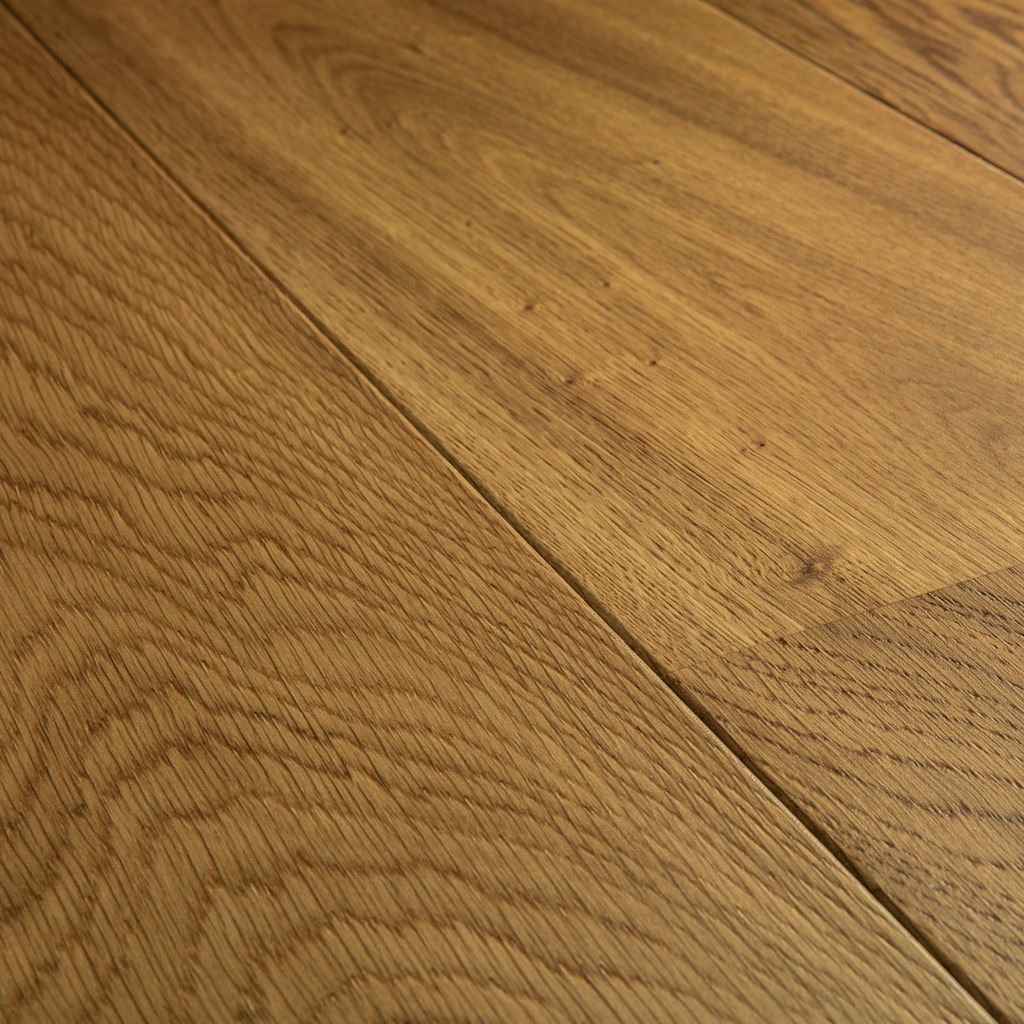
Engineered wood flooring is a genuine hardwood floor built in layers. A real wood top layer, usually oak, is bonded to a stable core of cross-layered plywood or high-density board. The surface is real timber, so it looks and feels exactly like solid wood.
The difference is underneath. That layered core resists the expansion and contraction that affects solid wood as the temperature and humidity change through the year. It is why engineered wood stays flatter and more stable in Irish homes, and why it, not solid wood, is the real-wood floor most people choose for modern living spaces and underfloor heating.
Rule of thumb: engineered wood gives you the look and feel of solid oak, with the stability a modern home actually needs.
How It Compares
Engineered wood vs solid, laminate and vinyl
Engineered wood sits between the traditional and the practical. Here is how it stacks up against the three options people weigh it against most.
 vs Solid Wood
Real Wood, Either Way
Engineered vs Solid Wood
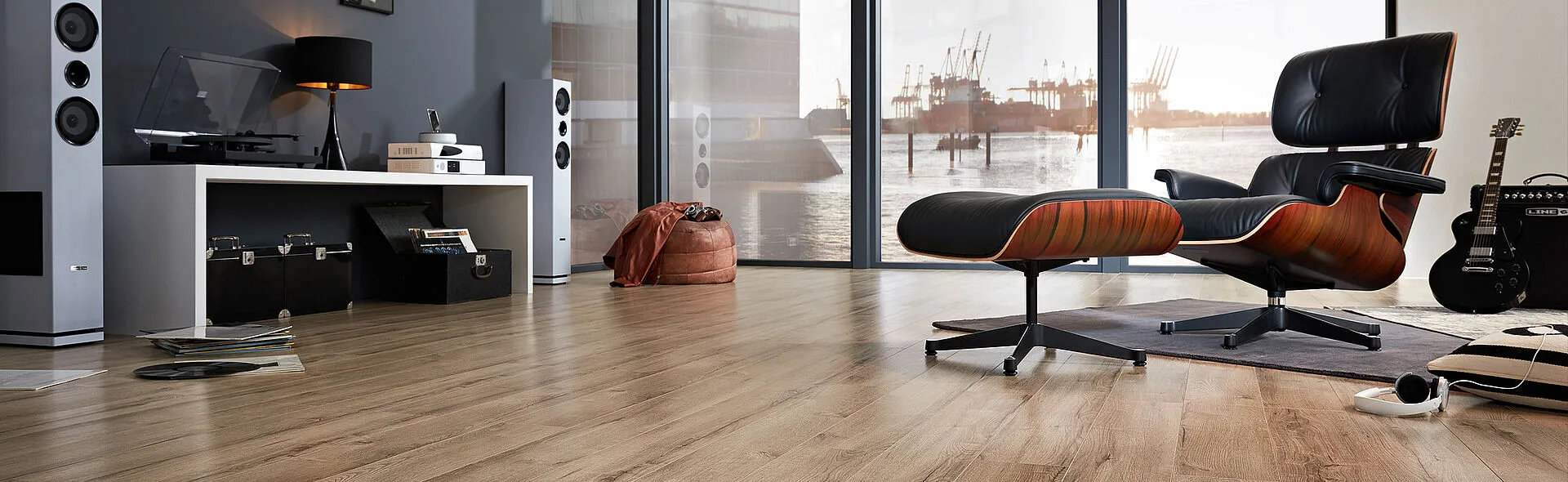
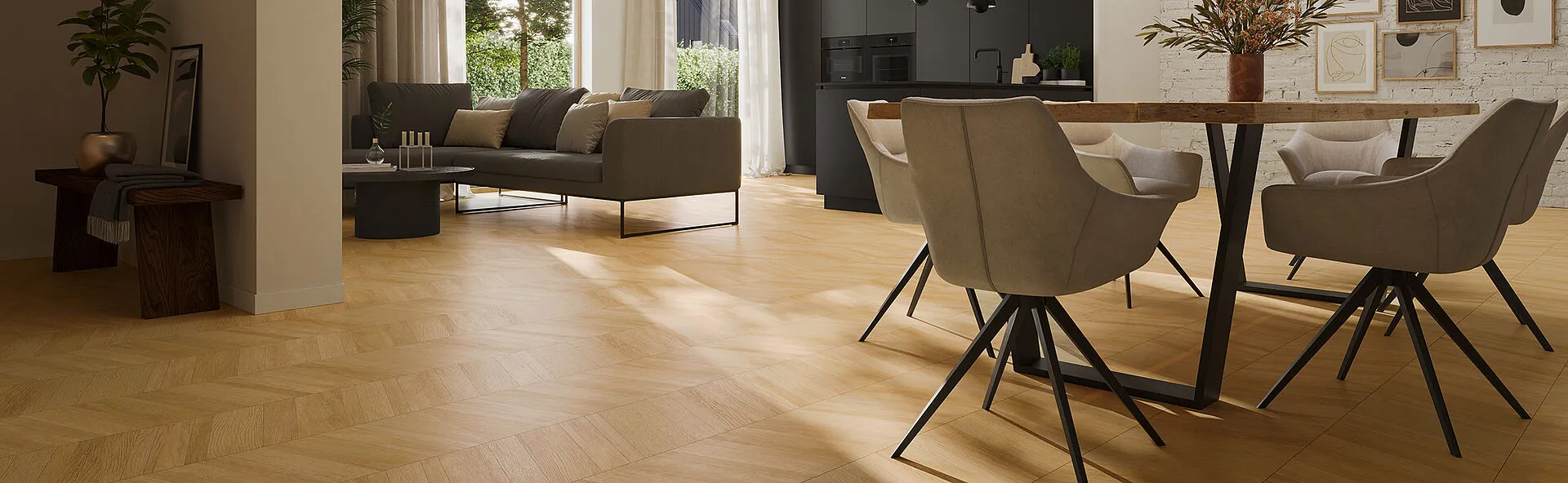
Both give you a genuine timber surface. The difference is stability. Solid wood is one piece of timber throughout and moves more with humidity, so it is best in older, well-ventilated homes and is generally not recommended over underfloor heating. Engineered wood stays flatter and is safe over underfloor heating, which is why it wins for most modern builds.
 vs Laminate
Real Wood vs The Wood Look
Engineered vs Laminate
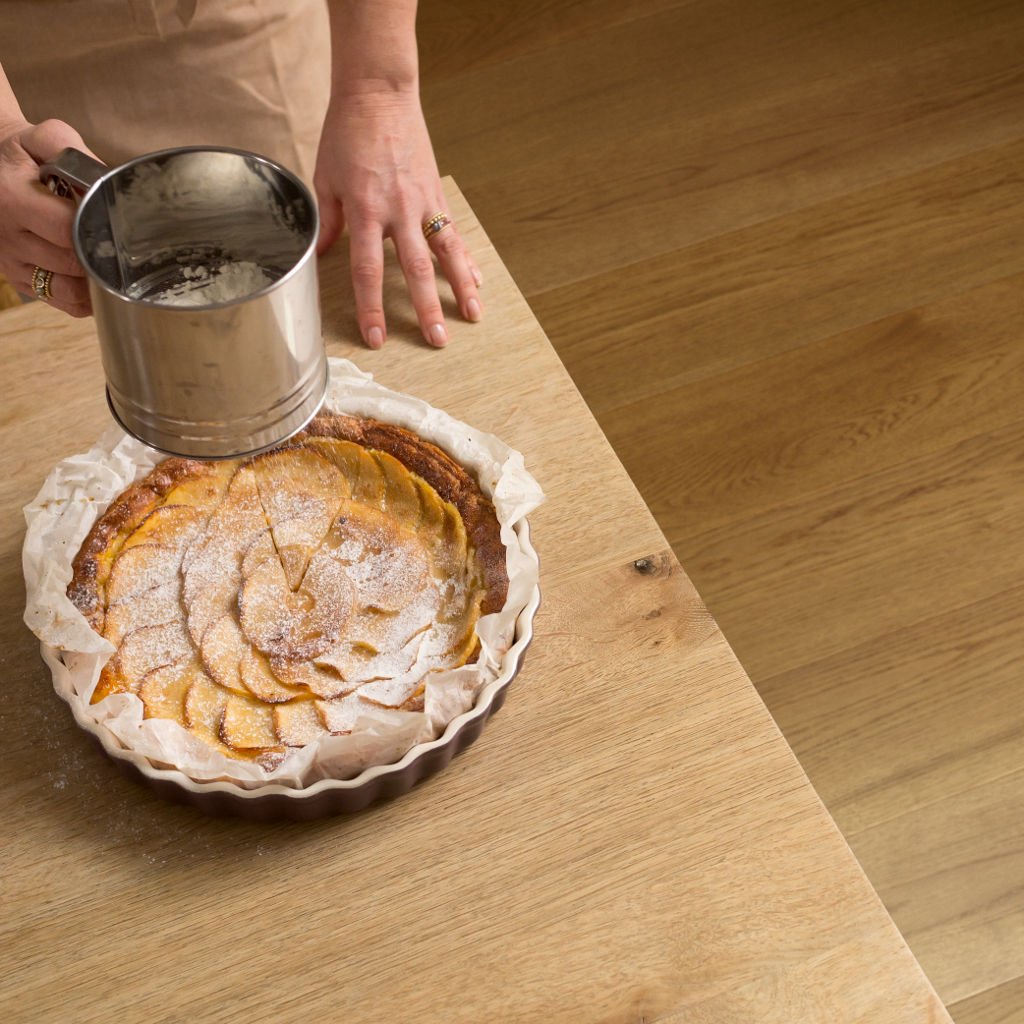
This is the one people mix up most. Engineered wood has a real hardwood surface, so it looks, feels and ages like timber and can often be refinished. Laminate uses a photographic wood-effect layer over a dense core: a very hard-wearing, budget-friendly way to get the look, but it is not real wood and cannot be sanded back. Choose on whether you want genuine wood or the wood look for less.
 vs Vinyl / LVT
Authentic vs Waterproof
Engineered vs Vinyl (LVT)
The trade-off here is authenticity against waterproofing. Engineered wood gives you the most convincing, genuine timber finish, but it is not waterproof. Luxury vinyl (LVT) is fully waterproof and extremely durable, with a very realistic wood effect, which makes it the safer pick for kitchens, utilities and bathrooms. Many homes use engineered wood in the living areas and vinyl where water is a factor.
The Detail That Decides It
Four spec choices that change an engineered wood floor
Two engineered boards can look identical and perform completely differently. These are the specifications that separate a floor for decades from a floor that disappoints.
What Affects The Cost
What affects the cost of engineered wood flooring?
Two things drive it: the board you choose and the fitting. On the board itself, four levers move the price the most. Here is what each one buys you.
| Spec lever | What it changes | Why it matters |
|---|---|---|
| Wear layer | Real-wood depth on top | Decides how many times it can be refinished, and its lifespan |
| Wood species | Look and durability | Oak is the flexible all-rounder; other species shift the price |
| Grade & finish | Appearance & upkeep | Prime vs rustic and lacquered vs oiled set the look and maintenance |
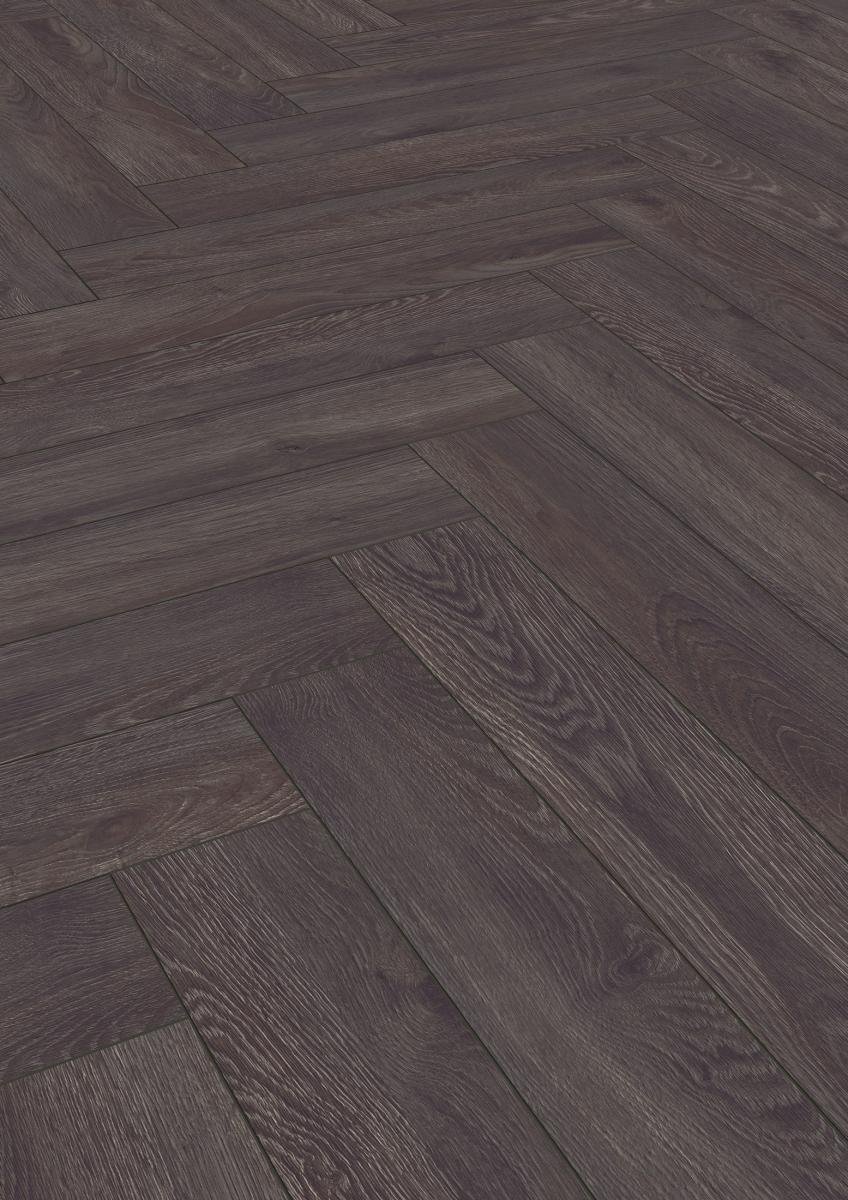
| Plank format | Size & pattern | Wide planks and herringbone cost and fit differently to standard boards |
Fitting matters as much as the board. Engineered wood can be floated, glued or nailed depending on the subfloor, and the room, the subfloor condition and any pattern such as herringbone all change how long fitting takes. For an accurate figure, the only reliable route is a measured quote based on your actual rooms and subfloor.
Quick Answers
The questions people ask before choosing engineered wood
Short, direct answers to the things that come up most often when planning an engineered wood floor.
Making The Call
Four questions that decide your engineered wood floor
Work through these in order and the right board usually becomes obvious.
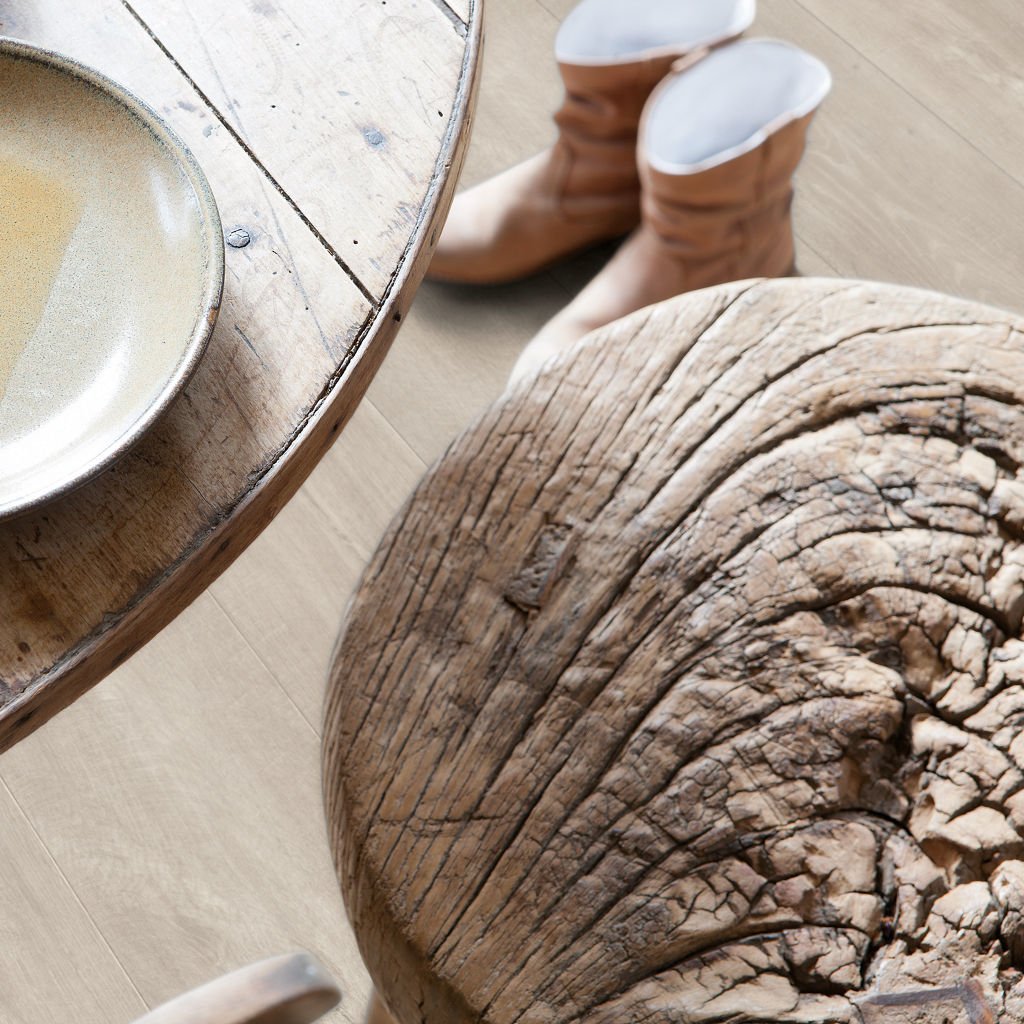
"Two engineered boards can look the same on a screen and be worlds apart underfoot. The wear layer and finish only make sense in person."
See It Before You Choose
Why engineered wood is worth seeing in person
Wear layer, grade, finish and plank width all change how a board looks and lasts, and none of it translates properly online. A range that looks perfect on a phone can feel completely different across a real floor. Seeing samples side by side, at scale, is the single best way to avoid an expensive mistake.
Frequently Asked
Engineered wood flooring: full FAQ
What is engineered wood flooring? +
Engineered wood flooring is a genuine hardwood floor built in layers. A real wood top layer, usually oak, is bonded to a stable core of cross-layered plywood or high-density board. The surface is real timber, so it looks and feels exactly like solid wood, while the layered core makes the board far more stable than solid wood when the temperature and humidity change. That stability is why engineered wood is the most widely used real-wood floor in modern Irish homes.
Is engineered wood flooring real wood? +
Yes. The top layer of an engineered board is a solid piece of real hardwood, so the surface you see and walk on is genuine timber, not a printed image. This is the key difference from laminate, which uses a photographic wood-effect layer. It is the real wood surface that lets a good engineered board be sanded and refinished later in its life.
What is the difference between engineered wood and solid wood flooring? +
Solid wood is a single piece of timber throughout, while engineered wood has a real wood top layer over a stable layered core. Both give a genuine wood surface, but engineered wood copes far better with humidity and is safe to use over underfloor heating, where solid wood tends to move and gap. Solid wood suits older, well-ventilated homes without underfloor heating; engineered wood suits most modern builds.
What is the difference between engineered wood and laminate flooring? +
Engineered wood has a real hardwood surface, so it looks, feels and ages like timber and can often be refinished. Laminate has a photographic wood-effect layer over a dense core, which makes it a very hard-wearing and budget-friendly look for less, but it is not real wood and cannot be sanded back. Choose engineered wood for a genuine wood floor, and laminate for the wood look at the lowest cost.
Can engineered wood flooring go over underfloor heating? +
Yes. Engineered wood is designed to stay stable across temperature changes, which makes it one of the best real-wood options for use over underfloor heating. Solid wood is generally not recommended over underfloor heating because it is more prone to movement and gapping. Always confirm the specific board is rated for underfloor heating and have it fitted to the maker's guidance.
Is engineered wood flooring suitable for kitchens? +
Engineered wood can work well in a kitchen because its layered core handles everyday temperature and humidity changes better than solid wood. It is not waterproof, though, so spills should be wiped up promptly and standing water avoided. For a busy kitchen where full waterproofing matters, luxury vinyl is the safer choice, while engineered wood gives the more authentic timber finish.
Is engineered wood flooring waterproof? +
No. Engineered wood is more stable than solid wood, but it is still a real wood floor and is not waterproof. It handles normal household humidity and the occasional wiped-up spill, but it should not be exposed to standing water or used in consistently wet areas. Where full waterproofing is needed, such as a utility or bathroom, luxury vinyl is the more appropriate option.
How long does engineered wood flooring last, and can it be refinished? +
A quality engineered wood floor can last for decades when it is fitted and maintained well. How many times it can be sanded and refinished depends on the thickness of the real wood top layer, known as the wear layer: a thicker wear layer allows more refinishes and a longer refurbished life. This is why the wear layer is one of the most important things to check when comparing boards.
Royal Wood Flooring Company
Ready to choose your engineered wood floor?
See it in real life. Compare wear layers, species, grades and finishes side by side, feel the difference underfoot, get an honest fitted quote, and take samples home before you commit. It's the surest way to get a floor you'll love for years.