Flooring Material
The biggest cost factor is the material you choose. Engineered wood herringbone generally sits at the premium end of the market, while LVT herringbone offers a more cost-effective option with strong durability.

 Engineered Wood
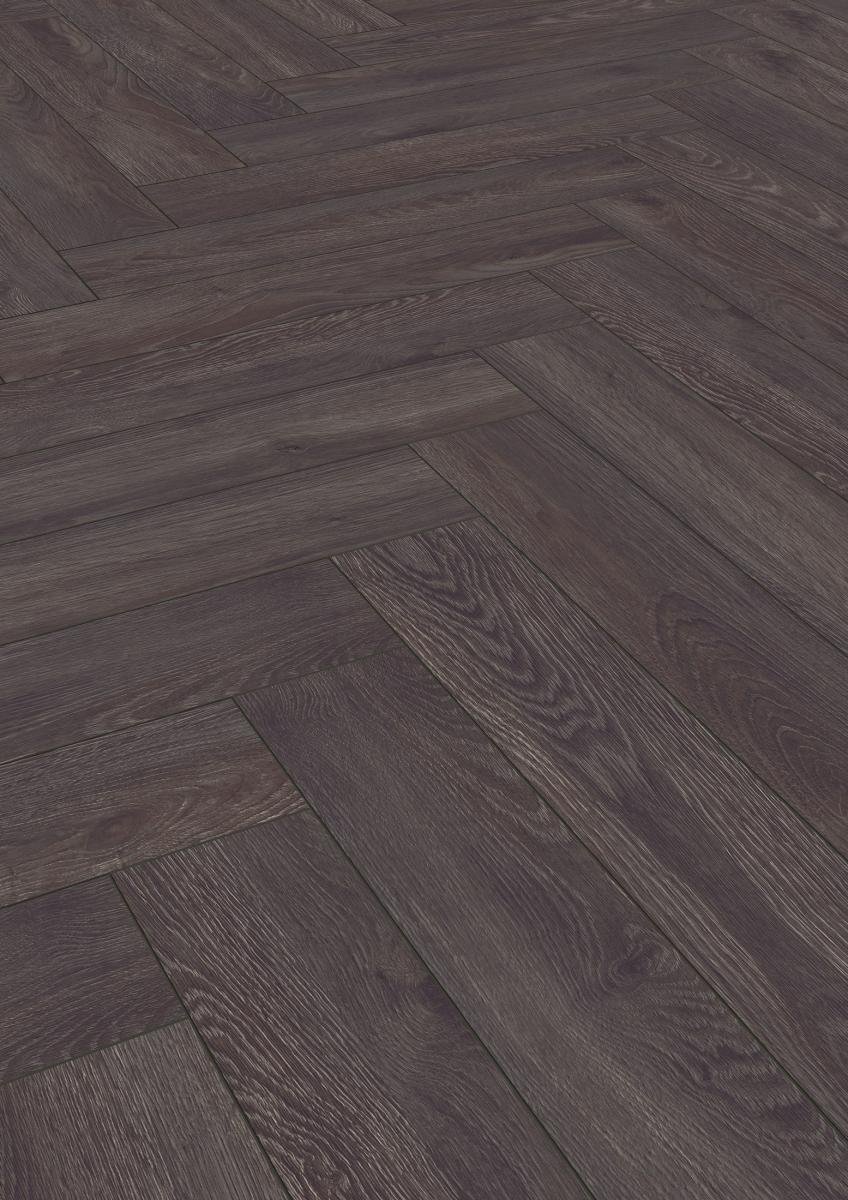 Herringbone
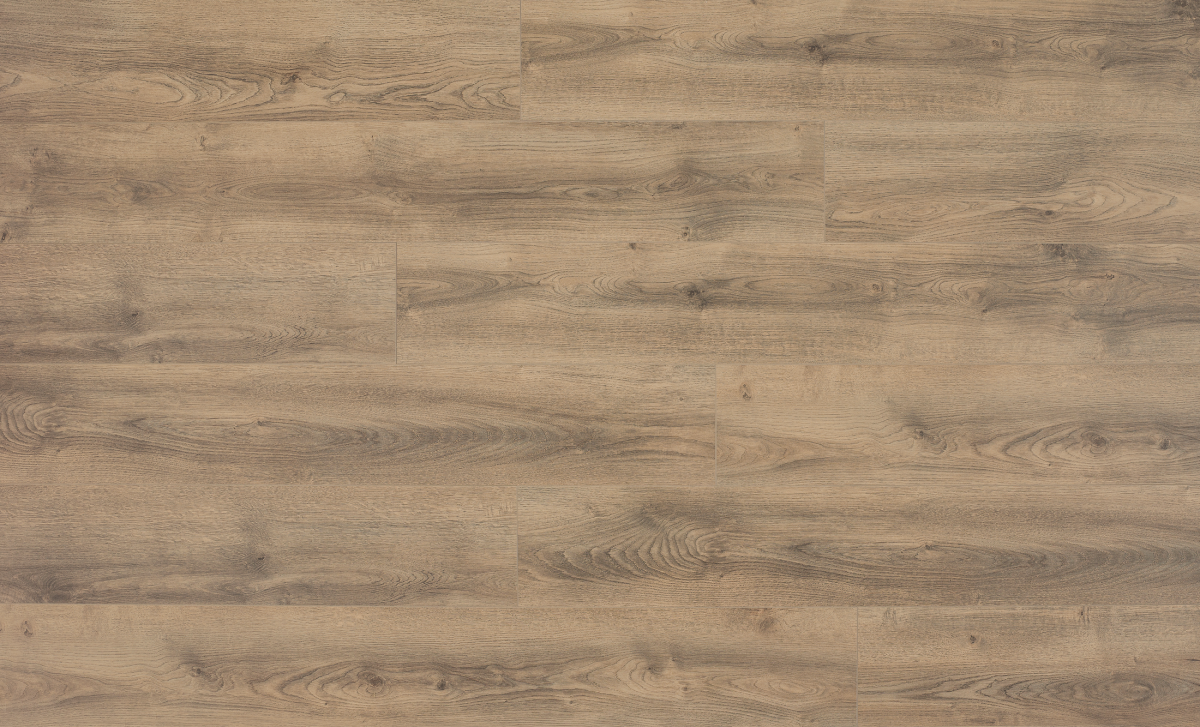 Oak Wood
Measure-up, samples and pricing for your room.
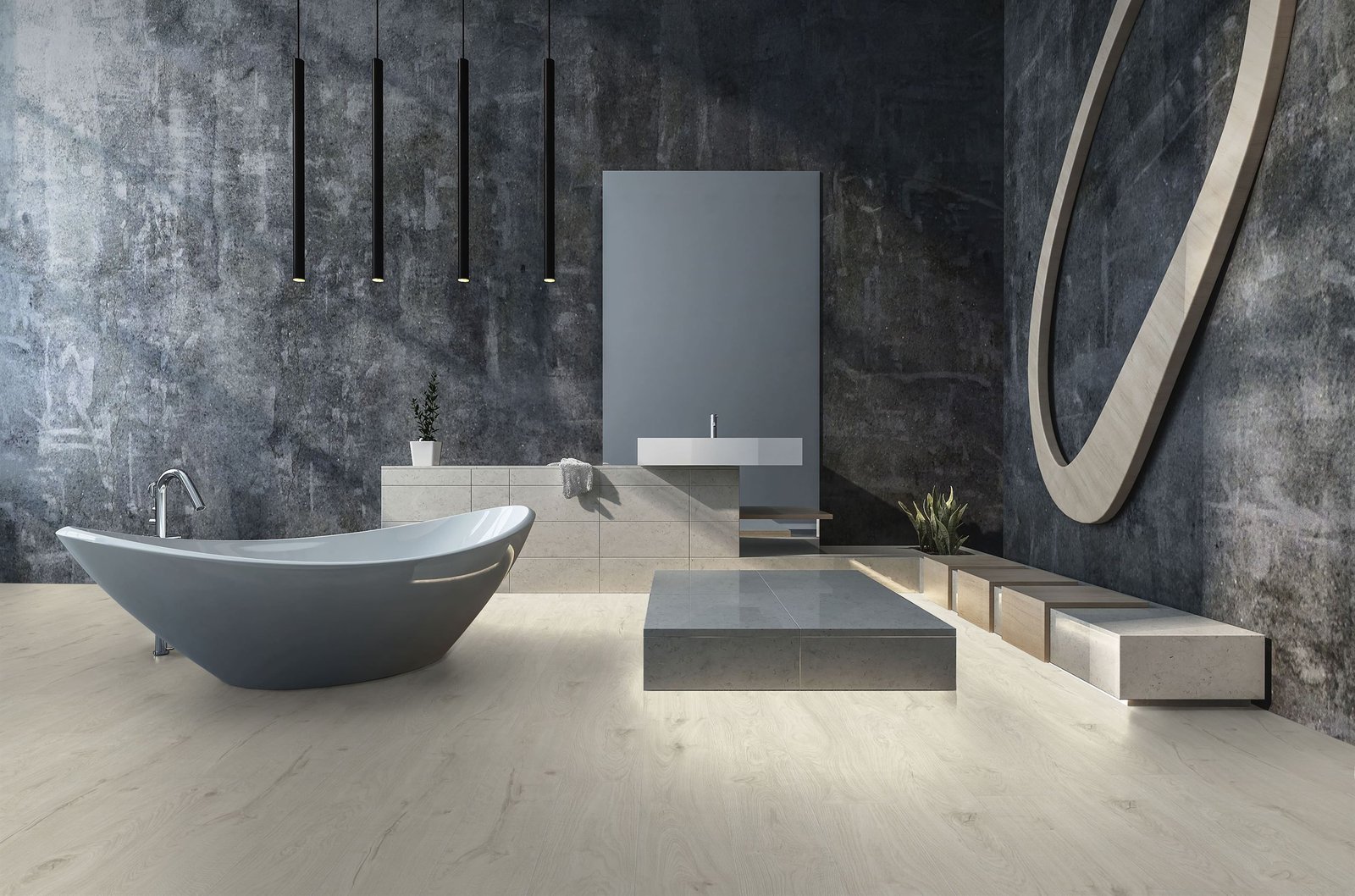 Swiss Krono — Grand Selection
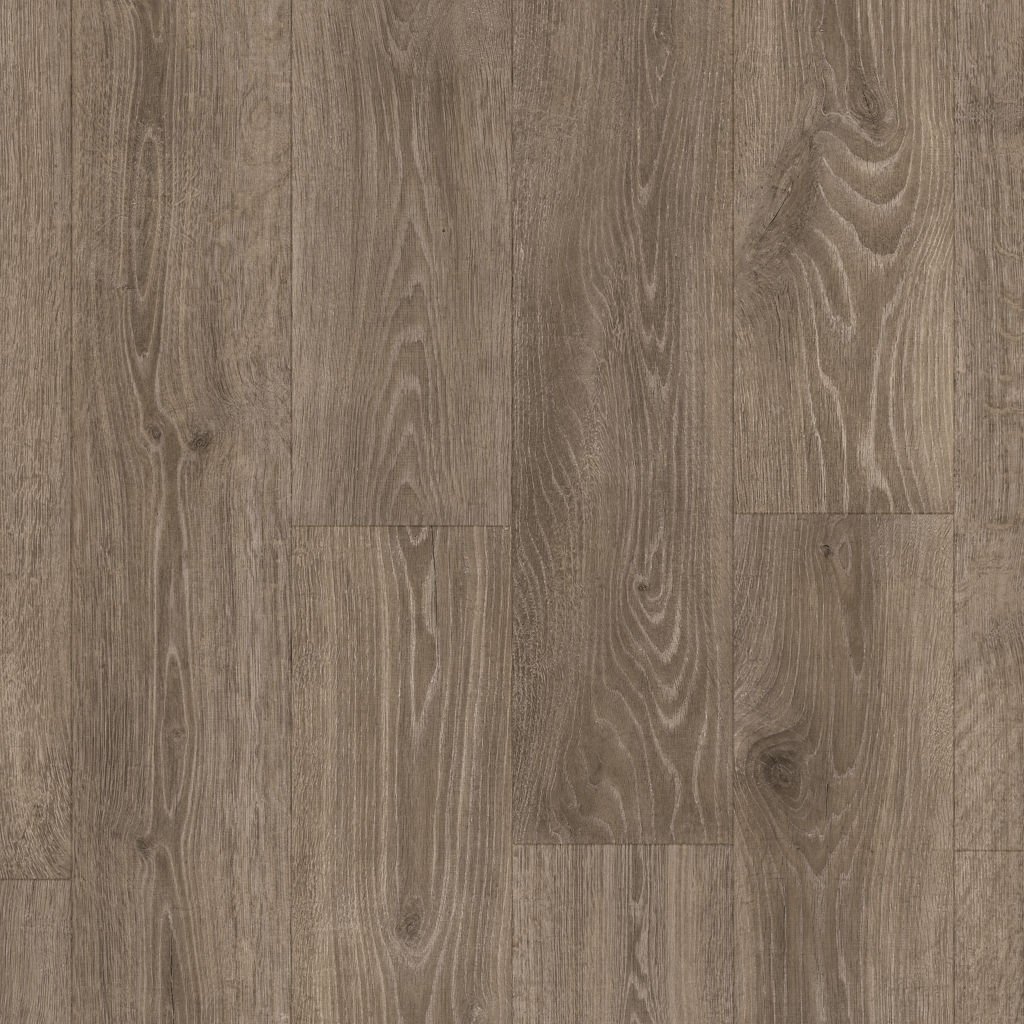 Oak Laminate
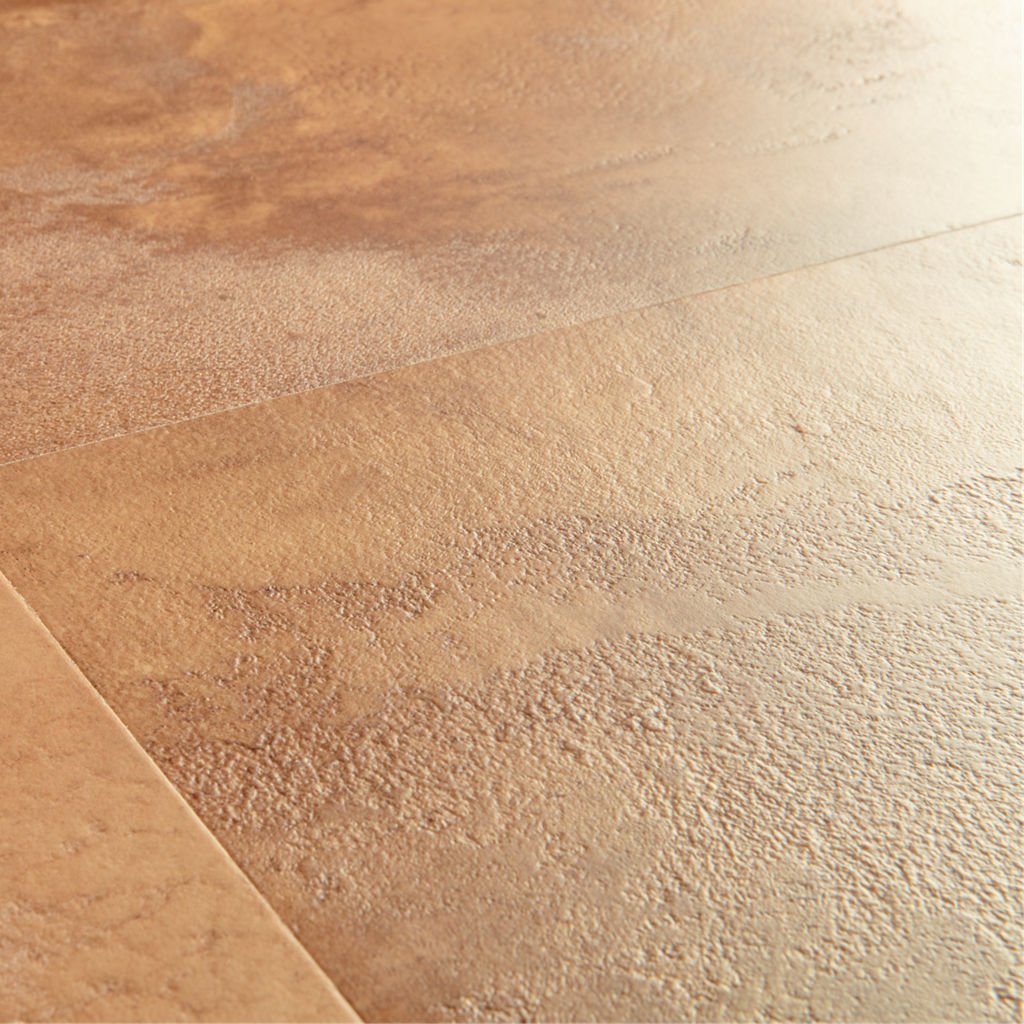 Tile-Effect Laminate
Measure-up, samples and pricing for your room.
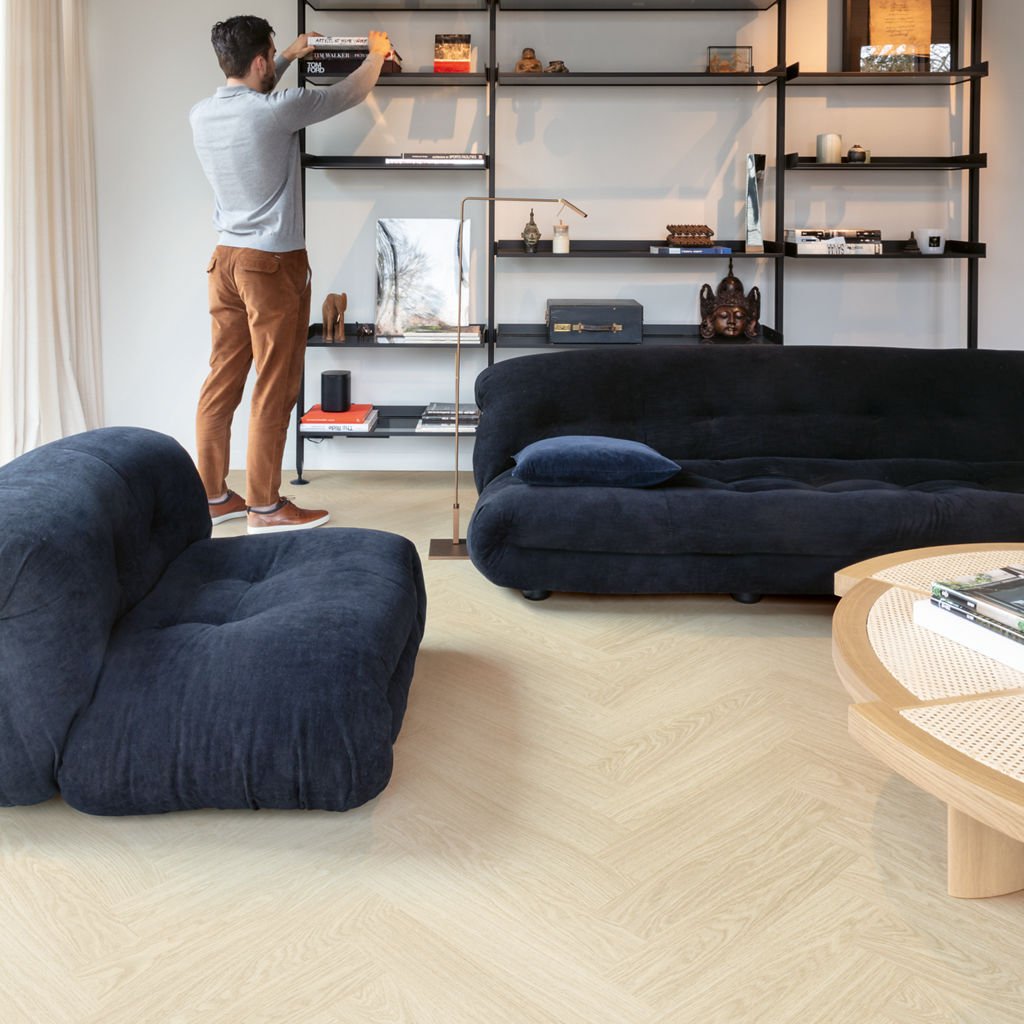 Alpha Effect Vinyl
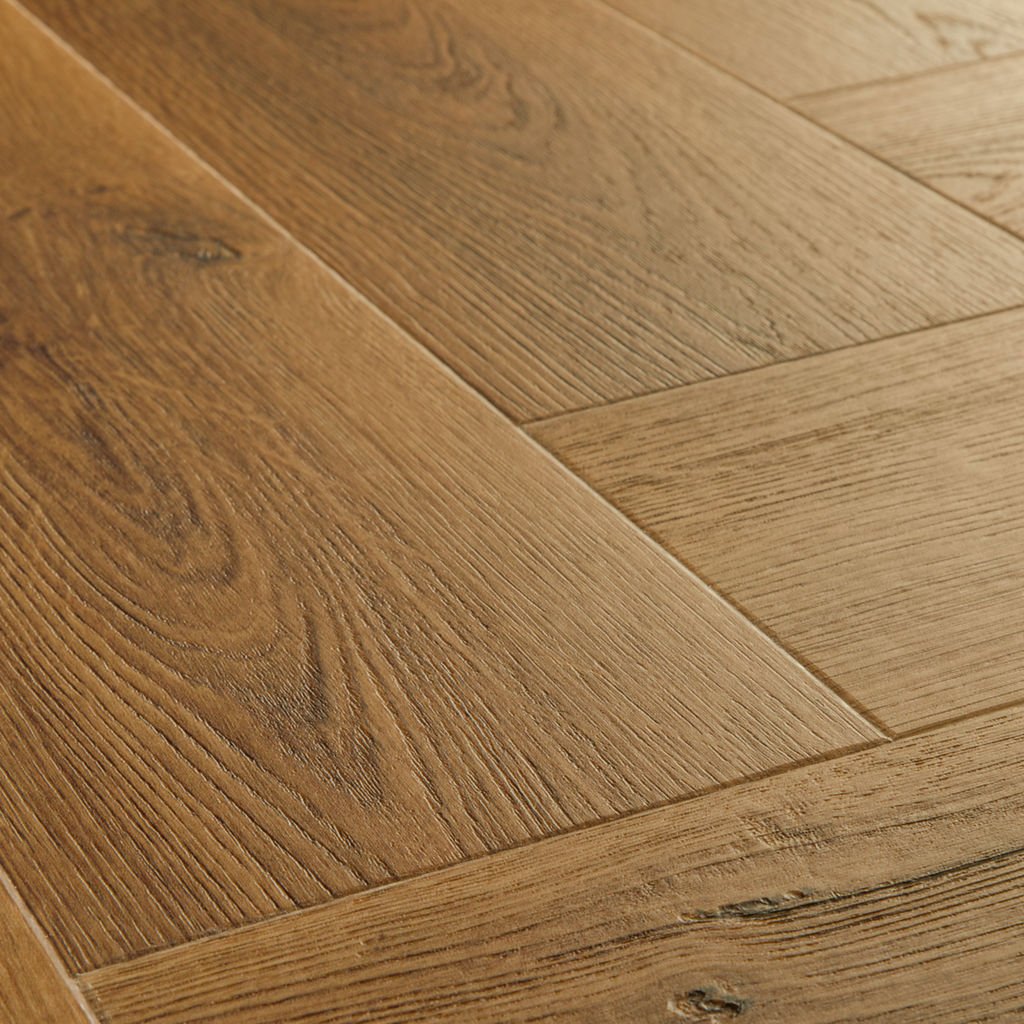 Herringbone Vinyl
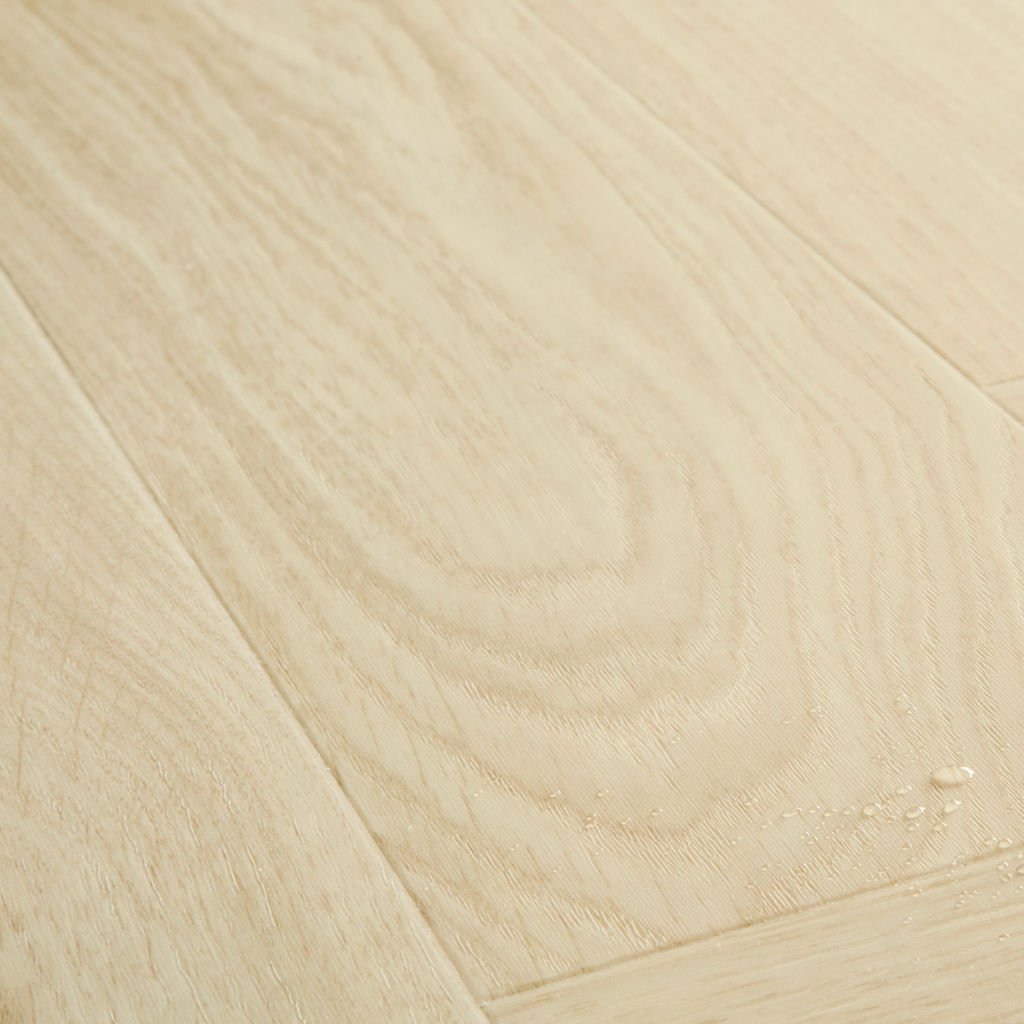 Oak Effect Vinyl
Measure-up, samples and pricing for your room.
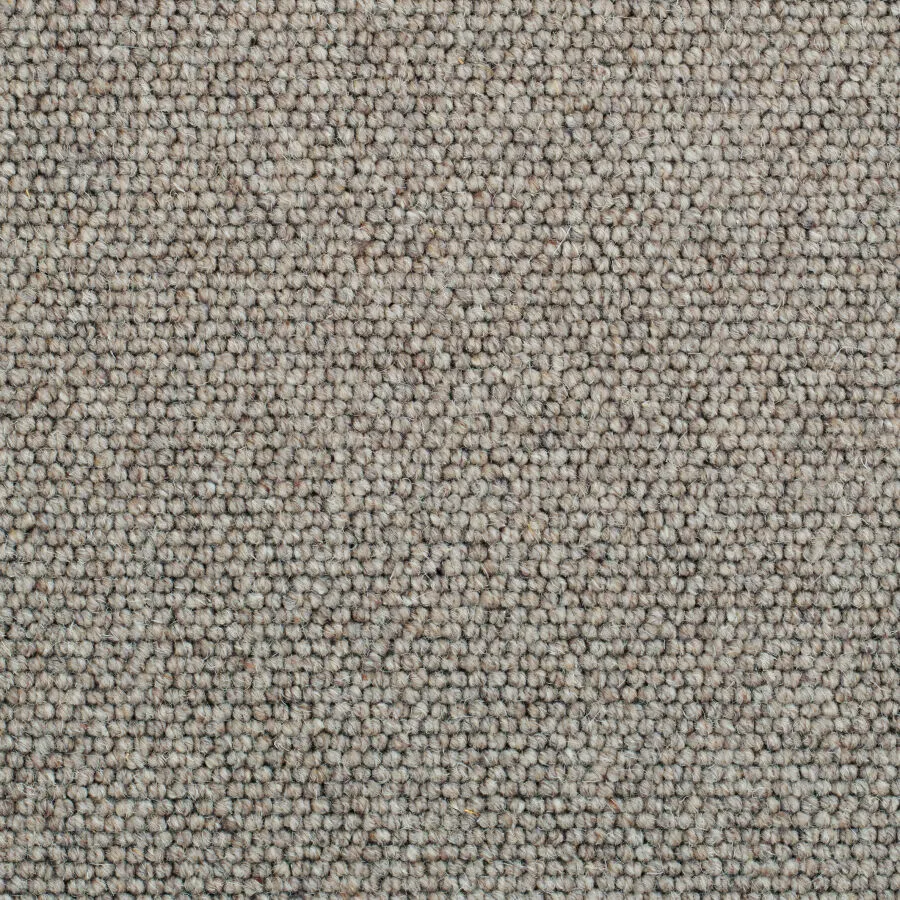 Wool Carpets
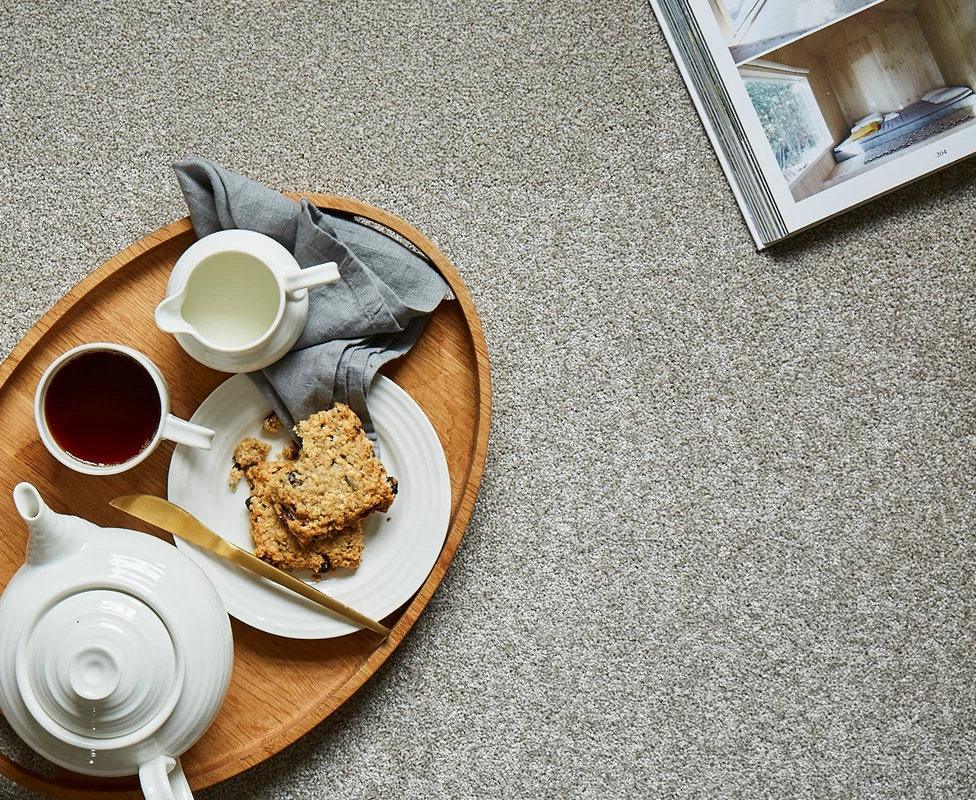 Easy-Clean Carpets
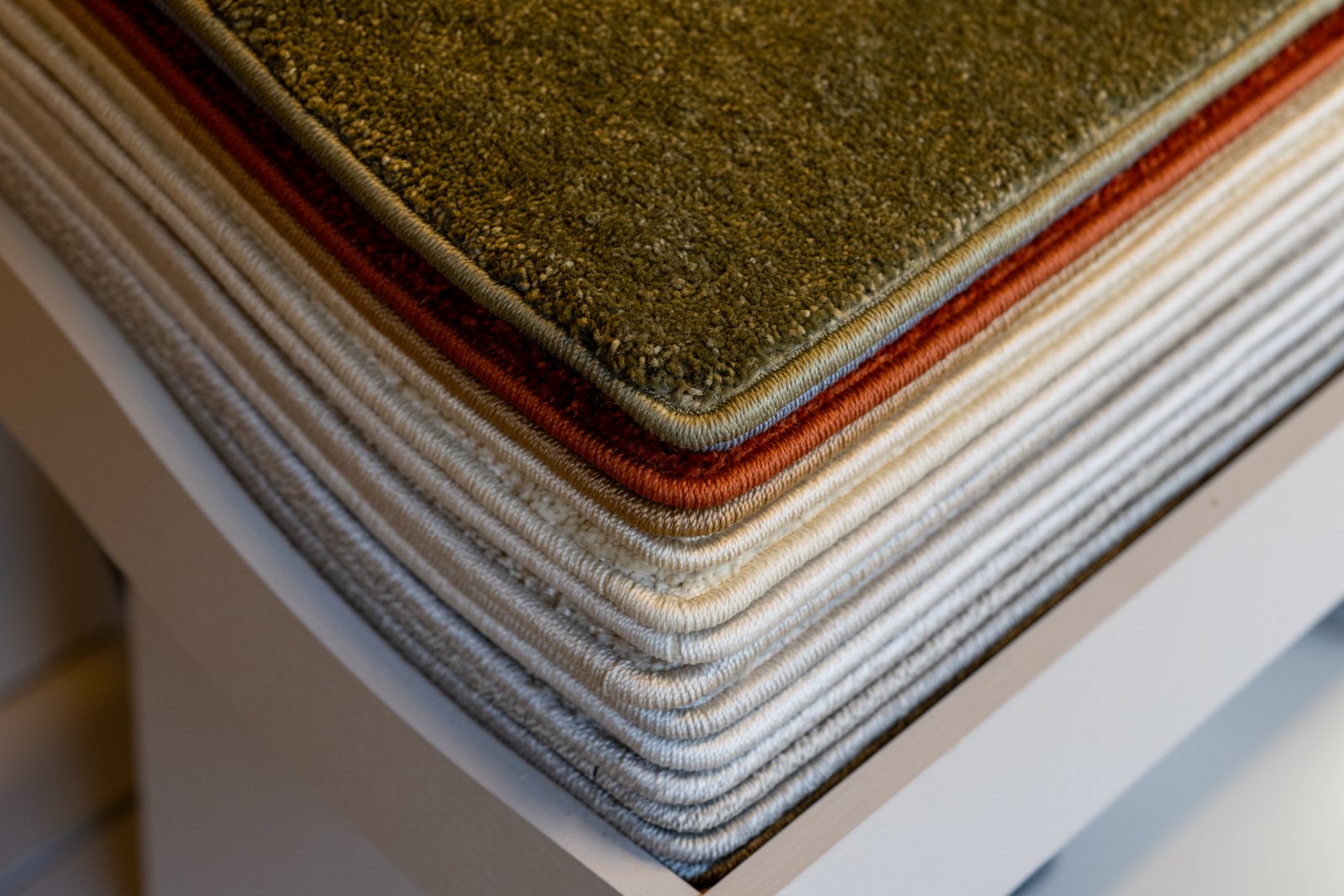 Carpets in Dublin — Guide
Measure-up, samples and pricing for your room.
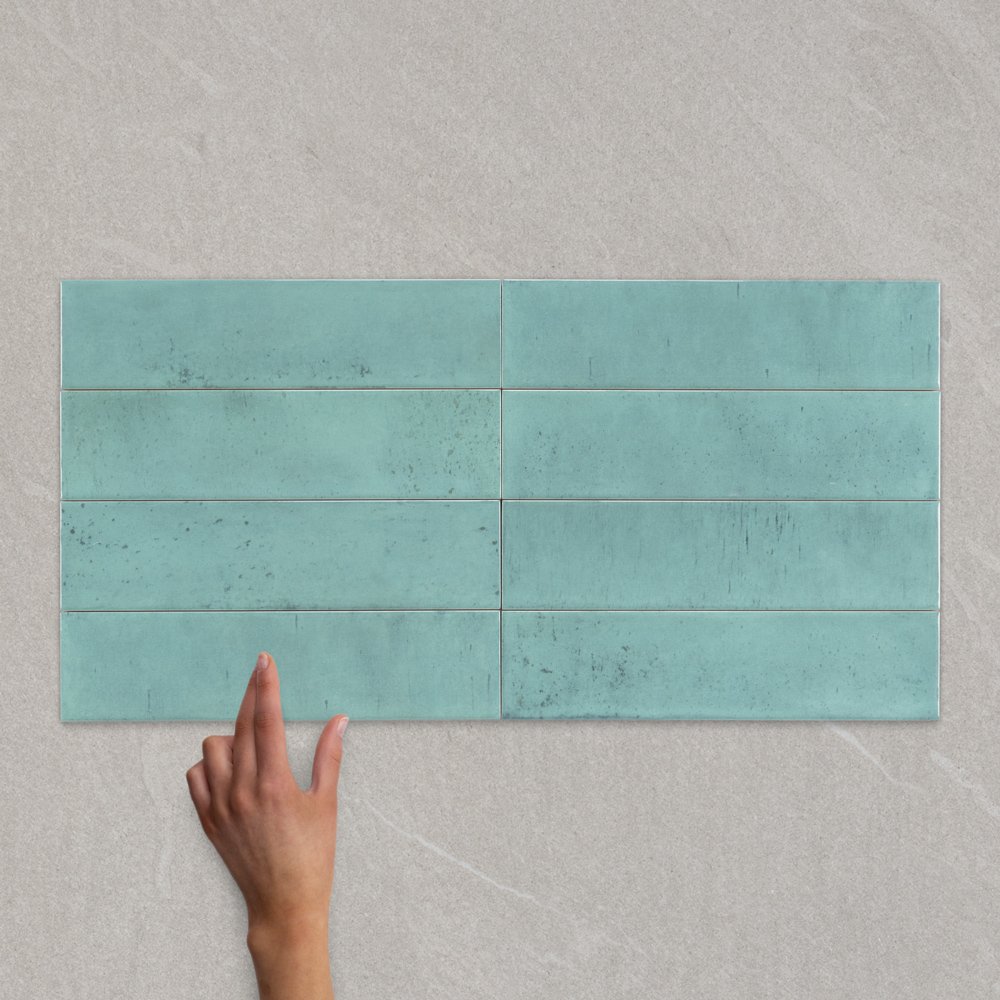 Ceramic Tiles
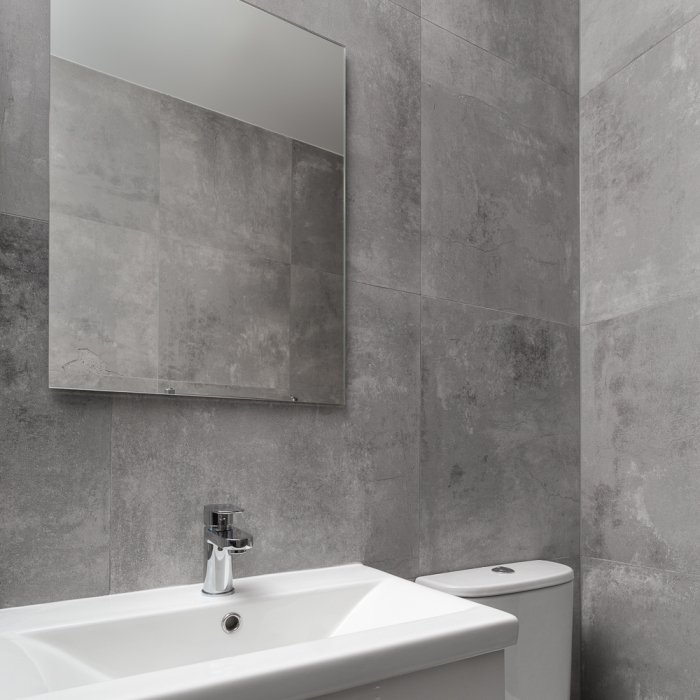 Porcelain Tiles
Measure-up, samples and pricing for your room.
Herringbone floors have become one of the most sought-after flooring styles in Ireland. From period homes in Dublin to modern new builds across Meath and Kildare, the distinctive zig-zag pattern instantly adds character and elegance to a space.
But while the pattern itself is timeless, homeowners often have questions about which type of herringbone flooring to choose, how much it costs, and which materials work best in Irish homes.
In this guide we explain everything you need to know about herringbone floors, including the differences between real wood, engineered wood and LVT options, along with practical advice for choosing the right flooring for your home.
Flooring Style Guide
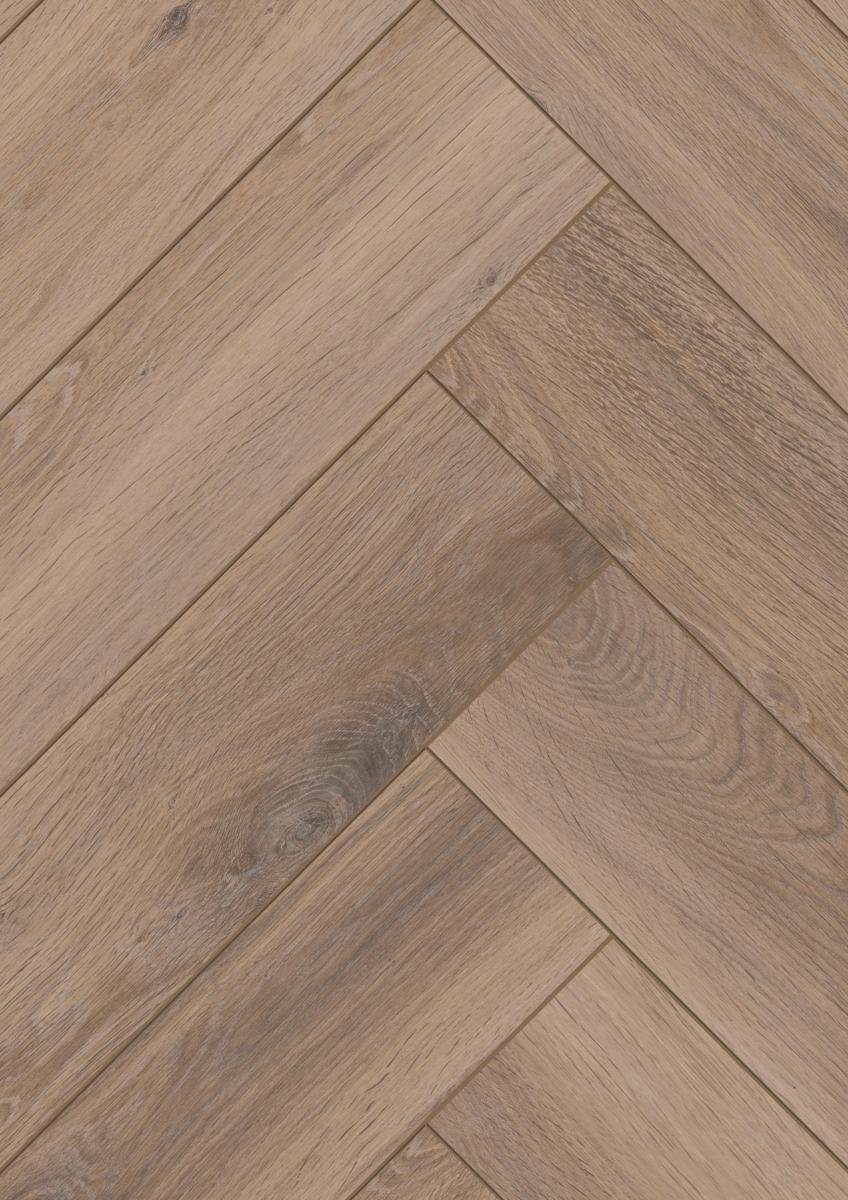
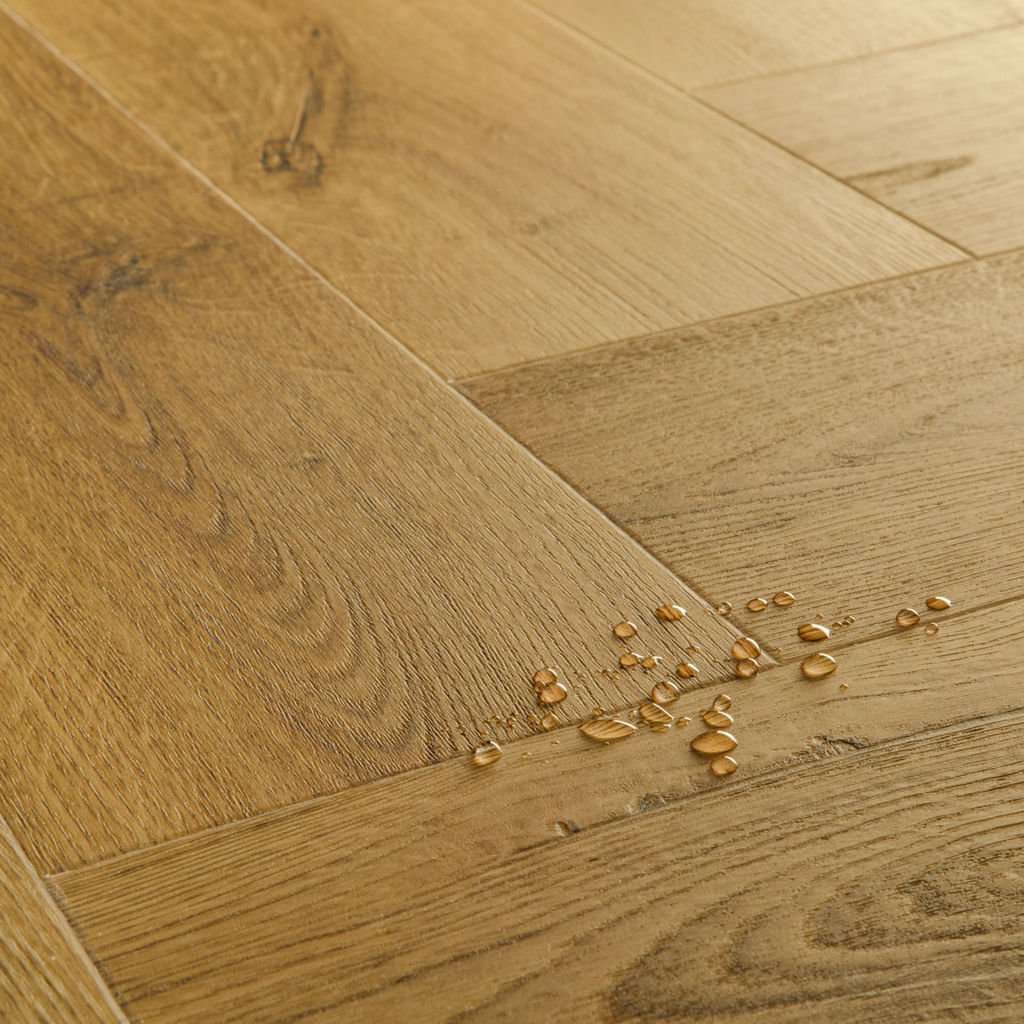
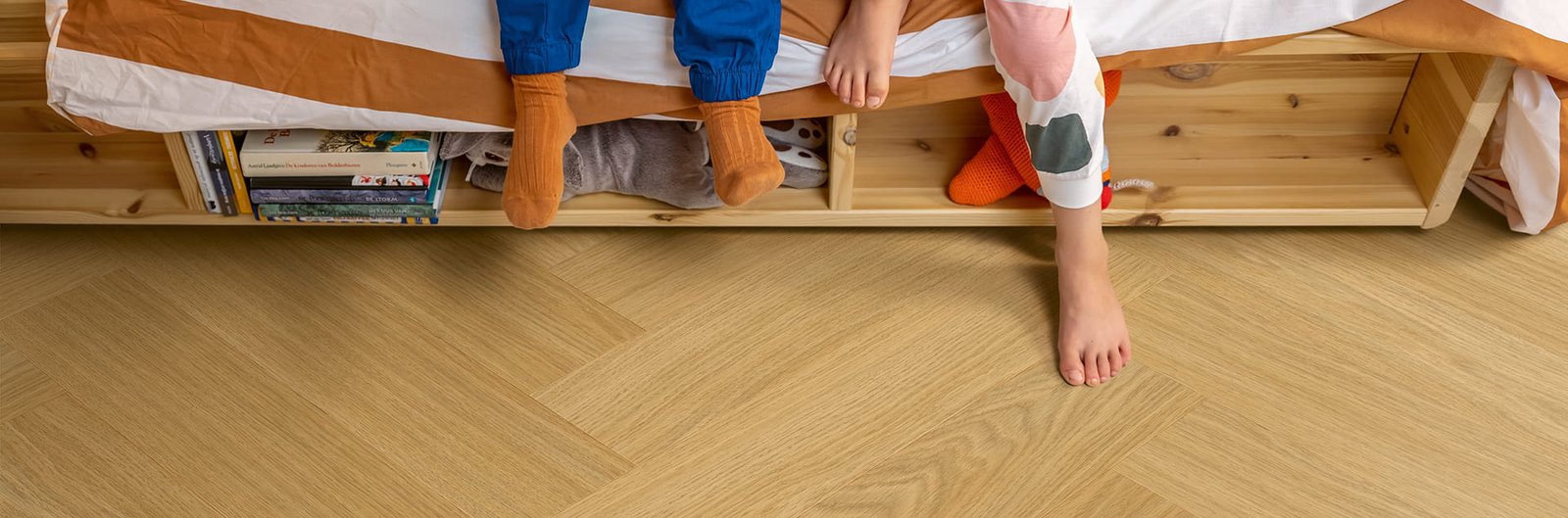
Herringbone floors are created by laying rectangular planks in a repeating V-shaped pattern, where each board meets the next at a 90-degree angle.
This parquet layout has been used for centuries and was originally popular in European manor houses and stately homes. Today, herringbone flooring has become a major interior design trend because it:
Unlike straight plank flooring, herringbone floors introduce a design element that makes the flooring itself part of the room’s overall aesthetic.
Flooring Guide
Once you’ve chosen the herringbone pattern, the next decision is the material. In Irish homes, the best option usually comes down to daily wear, moisture exposure, and whether underfloor heating is part of the build.
Real wood herringbone delivers the most authentic look and feel. Natural grain variation, depth, and warmth underfoot are hard to replicate — which is why it remains a favourite for living rooms, hallways, and design-led renovations.
Ideal for Living rooms, hallways, dining rooms, and premium renovations
View Real Wood Herringbone →Flooring Cost Guide
Herringbone floors create a premium finish, but the total price depends on the material, installation method, and preparation required. Because the pattern requires precise alignment, installation is typically more labour-intensive than standard plank flooring.
The biggest cost factor is the material you choose. Engineered wood herringbone generally sits at the premium end of the market, while LVT herringbone offers a more cost-effective option with strong durability.
Herringbone floors take longer to install than straight plank flooring. Each board must be positioned precisely to maintain the pattern, which is why professional installation is strongly recommended.
A flat, level subfloor is essential for parquet patterns. In many Irish homes, levelling compounds or additional preparation may be required before installation begins.
Larger rooms increase the total material and labour required. Complex layouts, hallways, and stair transitions may also increase installation time and overall project cost.
Because every home is different, the best way to estimate the cost of installing herringbone flooring is to arrange a professional consultation and measurement.
Explore Flooring Options →Herringbone Guide
If you love the herringbone look, this quick comparison helps you choose the right material for Irish homes — based on moisture risk, underfloor heating compatibility, and the feel you want underfoot.
Best for busy homes
Tip: If you want the real timber look with better stability in Irish conditions, engineered herringbone is usually the safest premium choice.
If moisture is the main risk (hallways, kitchens, busy homes), herringbone LVT often performs best.
*Suitability depends on product specification, subfloor preparation and professional installation.
Herringbone Flooring Guide
Across Dublin and the wider Irish market, herringbone is no longer just a “luxury add-on” — it’s a main-floor choice. Most homeowners are deciding between the premium feel of wood, and the day-to-day practicality of LVT in high-traffic zones.
Engineered herringbone is the standout choice for living and dining spaces, where people want a real timber finish with improved stability for Irish indoor conditions.
Herringbone LVT continues to grow where moisture and footfall are unavoidable — it’s the “worry-free” option that still delivers the look.
We’re seeing more homeowners choose herringbone as a feature floor in entrances and reception rooms, paired with the right subfloor preparation for a clean, long-lasting finish.
Yes. The pattern is more labour-intensive than straight plank flooring because every piece must be aligned precisely. That extra fitting time is the main reason costs are typically higher.
For most homes, engineered herringbone offers the best balance of real timber aesthetics and stability. If moisture exposure is high (kitchens, hallways), herringbone LVT is often the safest choice.
Often, yes — particularly with engineered wood or LVT — but it depends on the product specification, the subfloor build-up and correct commissioning of the heating system. Always confirm suitability before ordering.
It can be. For kitchens, LVT herringbone is generally the most practical because it’s highly moisture resistant and easy to maintain. Timber options can work if spills are controlled and the installation is done correctly.
In many rooms, yes. The angled layout draws the eye across the floor and can make spaces feel wider and more considered, especially in hallways and open-plan layouts.
Skipping subfloor preparation. A flat, level subfloor is essential for parquet patterns — without it, the floor can look uneven and performance can suffer over time.
Best for a real timber finish with stability that suits most Irish homes.
Ideal for: living rooms, dining rooms, open-plan spaces.
Best for high moisture risk and easy maintenance in busy households.
Ideal for: kitchens, hallways, apartments, utility areas.
Best for premium character and traditional appeal where moisture is controlled.
Ideal for: feature rooms, period homes, design-led renovations.
With Irish humidity and everyday moisture, the smartest approach is to match the herringbone material to the space. Choose engineered wood for timeless comfort in living areas, LVT where water and traffic are constant, and real wood where you want maximum character in controlled conditions.