
Flooring Guide · Wood Floors
Wood Flooring in Dublin: How to Choose the Right Floor for Your Home
Engineered oak is the right wood floor for most Dublin homes. It handles Ireland's damp, changeable air, it can be laid over concrete and underfloor heating, and it gives you a genuine timber surface that can be sanded back years later. Solid wood still wins in the right house. This guide shows you which is which.

Before You Choose
Most wood floor regrets start under the floor
People choose a wood floor by looking at boards. Floors fail for reasons you cannot see in a sample: a damp screed, a bouncing joist, an unrated board over underfloor heating, or an apartment lease that rules out the fitting method. Get the house right and the board becomes the easy part.
Dublin has an unusually mixed housing stock. A Rathmines redbrick, a 1970s semi-D in Castleknock and a new build in Adamstown are three completely different flooring problems wearing the same word.
This guide covers what counts as a real wood floor, the three formats we supply most often, how to match a floor to your type of house, what actually drives the cost, and the questions worth answering before you shortlist anything.
No jargon and no fabricated prices. Just the things that change the outcome of a wood floor in an Irish home.
 A genuine timber surface, not a printed one
The Basics
What counts as a real wood floor?
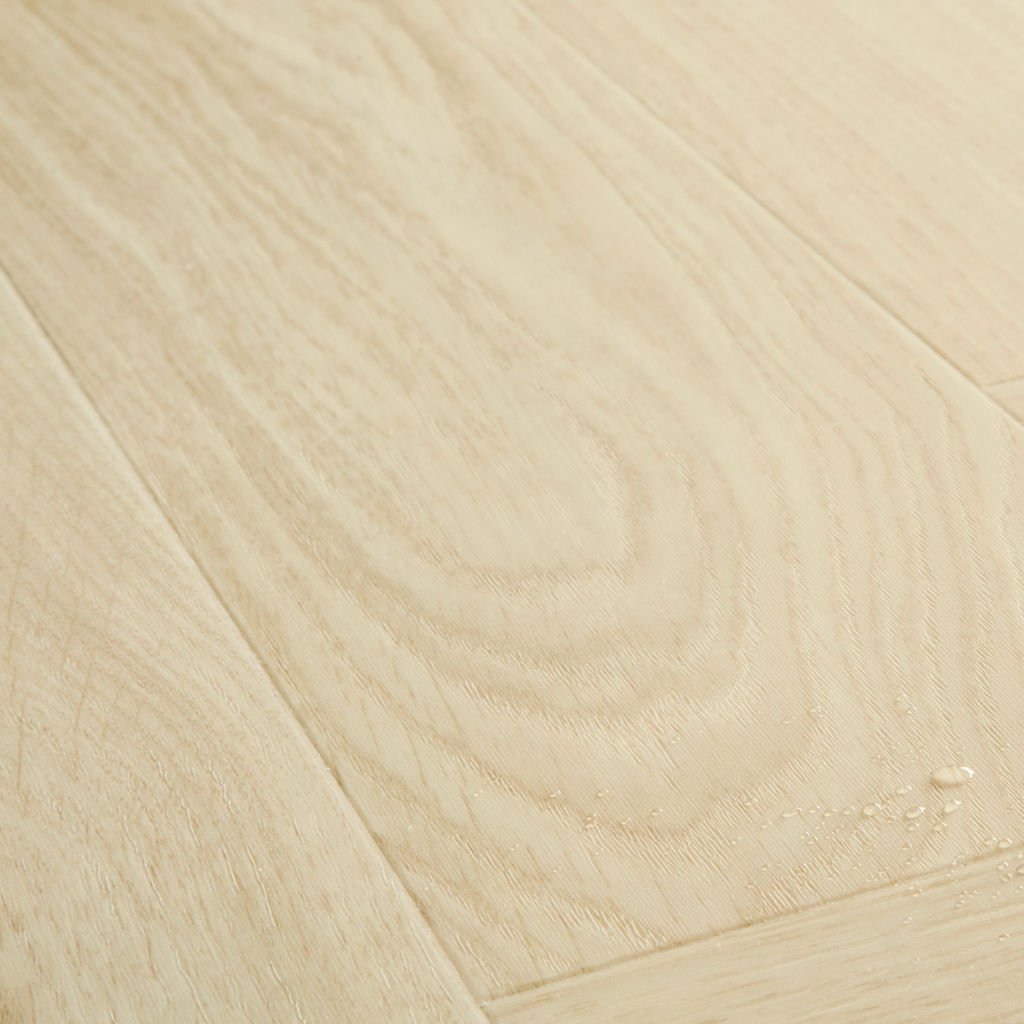
A real wood floor is any floor whose walking surface is genuine timber. That covers both engineered boards, which bond a real hardwood top layer to a stable layered core, and solid boards, which are one piece of timber all the way through. Laminate and luxury vinyl are not real wood: they print a wood image onto a man-made core.
In Ireland the terms hardwood flooring, timber flooring and wooden flooring are used interchangeably, and they all mean the same thing. Hardwood simply refers to the type of tree the timber came from, most often oak. The distinction worth caring about is real wood against wood effect, because only real wood can be sanded and refinished rather than replaced.
If you are still weighing real wood against the wood-effect alternatives, our engineered vs laminate vs LVT comparison sets the three side by side.
The Options
The three wood floor formats Dublin homes choose from
Almost every real wood floor we fit is one of three things: an engineered plank, a solid oak board, or a herringbone or parquet pattern. Here is what each one is genuinely for.
 Format 01
The All-Rounder
Engineered oak planks
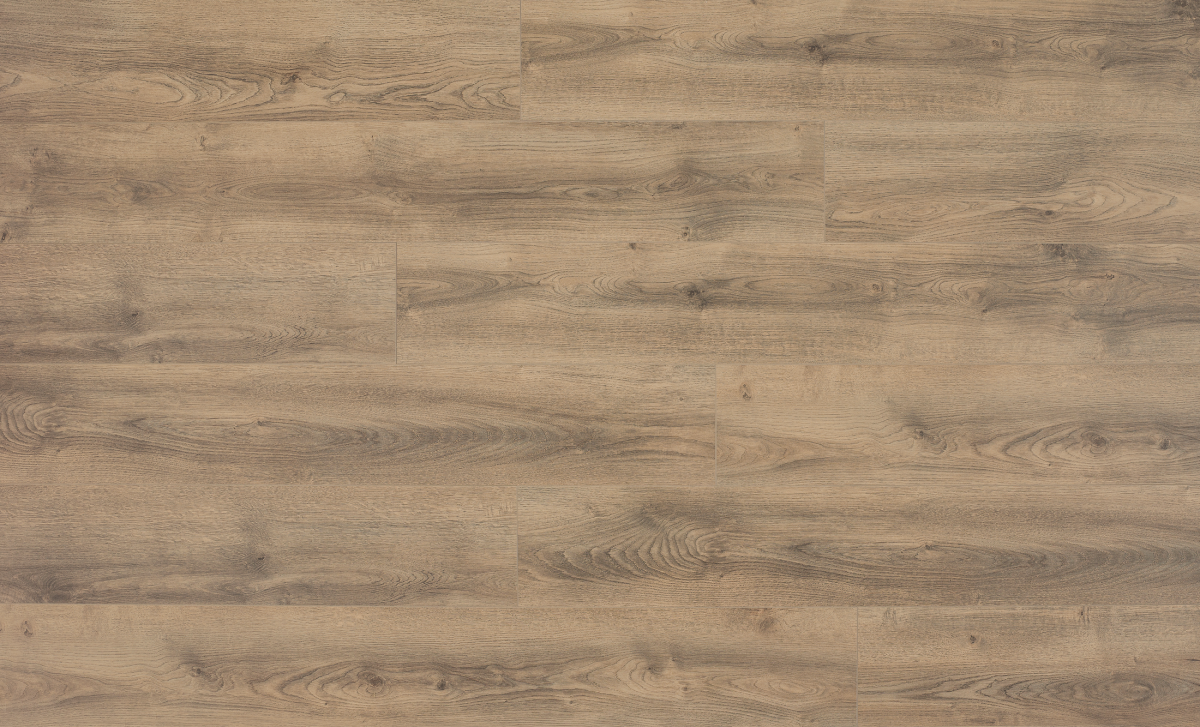
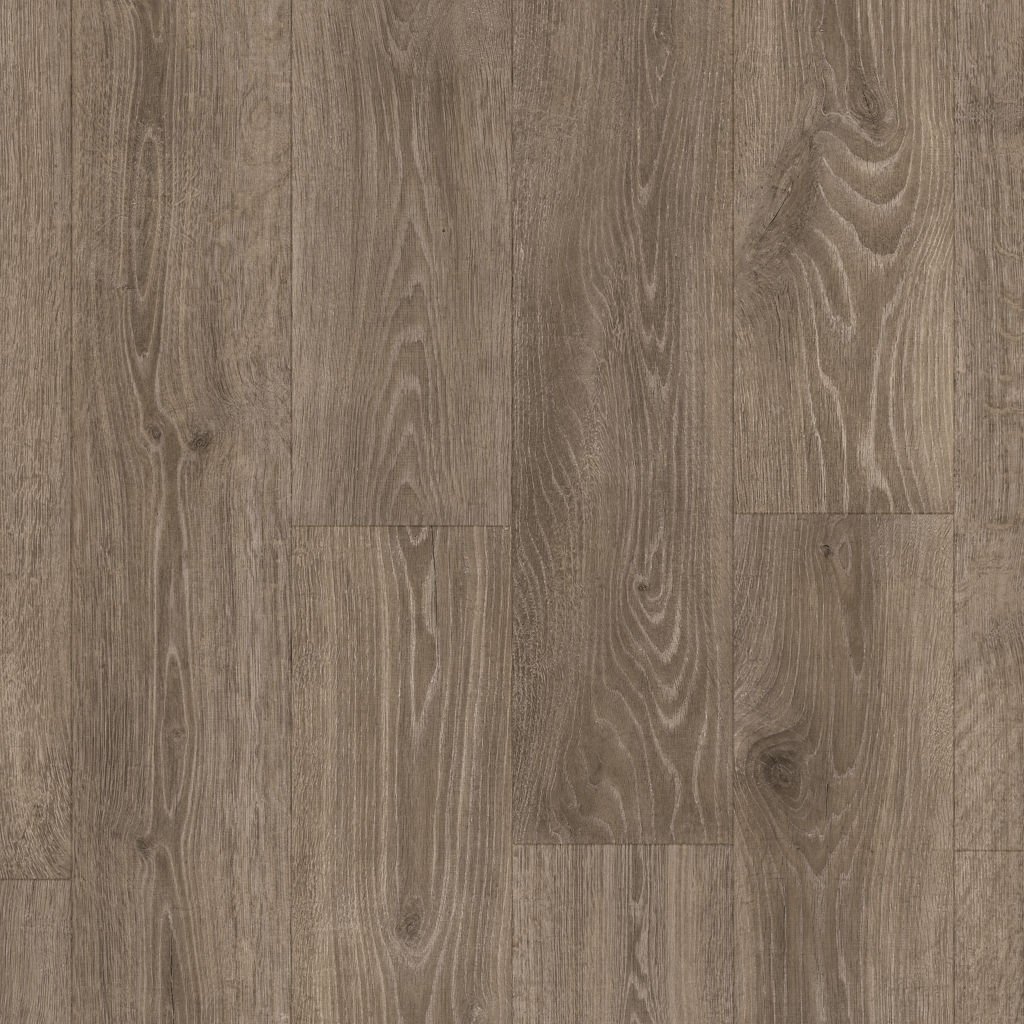
Engineered oak is the most widely fitted real wood floor in Irish homes, and it is the only real wood option that works reliably over underfloor heating. Its cross-layered core resists the seasonal movement that opens gaps in solid boards, so it stays flat in open-plan rooms with big glazed areas and in houses that swing between heated and unheated. Wide, long planks read as calm and modern; the wear layer thickness decides how long it lasts.
 Format 02
The Traditional Choice
Solid oak and hardwood boards
Solid wood is timber all the way through, which means it can be sanded and refinished many times over a very long life. That same solidity makes it move more with humidity, so it suits older, well-ventilated Dublin houses with suspended timber floors, and it is generally not recommended over underfloor heating. Where a period property calls for an authentic, repairable floor that will outlive several redecorations, solid oak is still the right answer.
 Format 03
The Statement
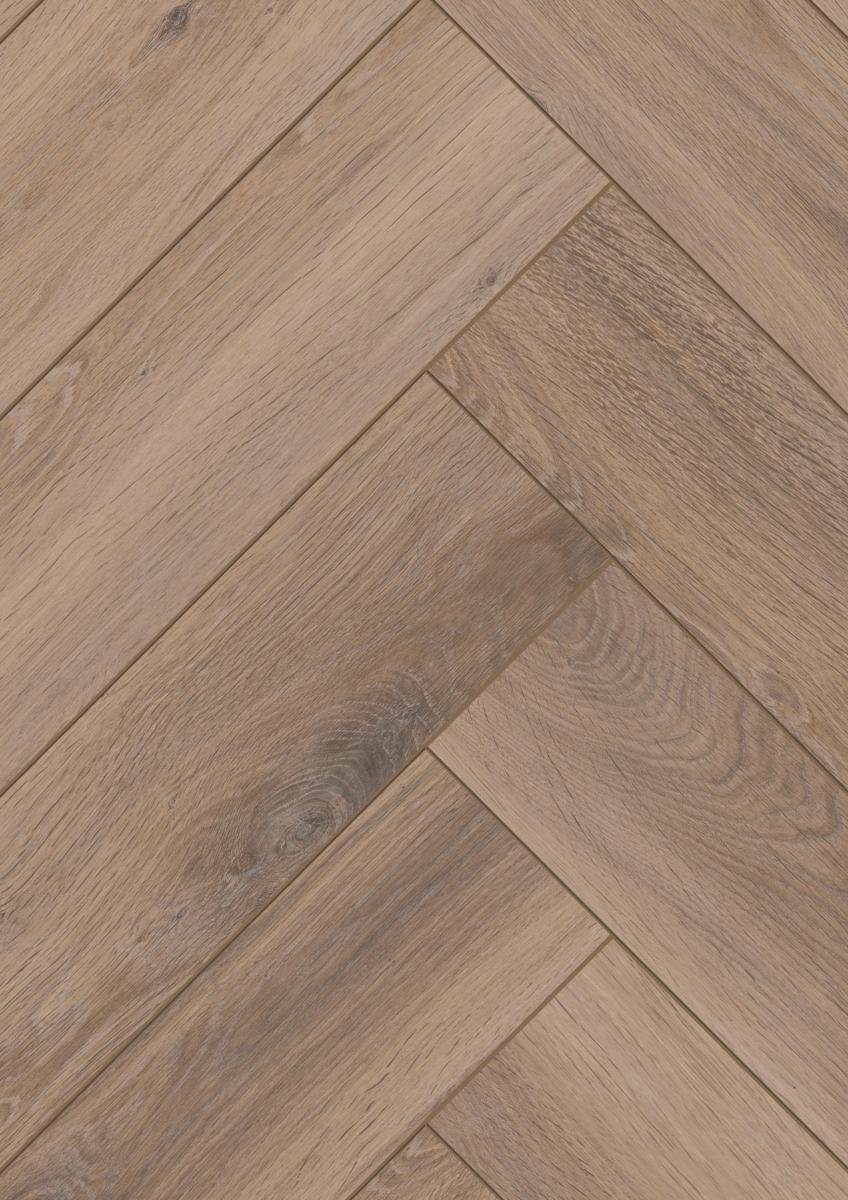
Herringbone and parquet
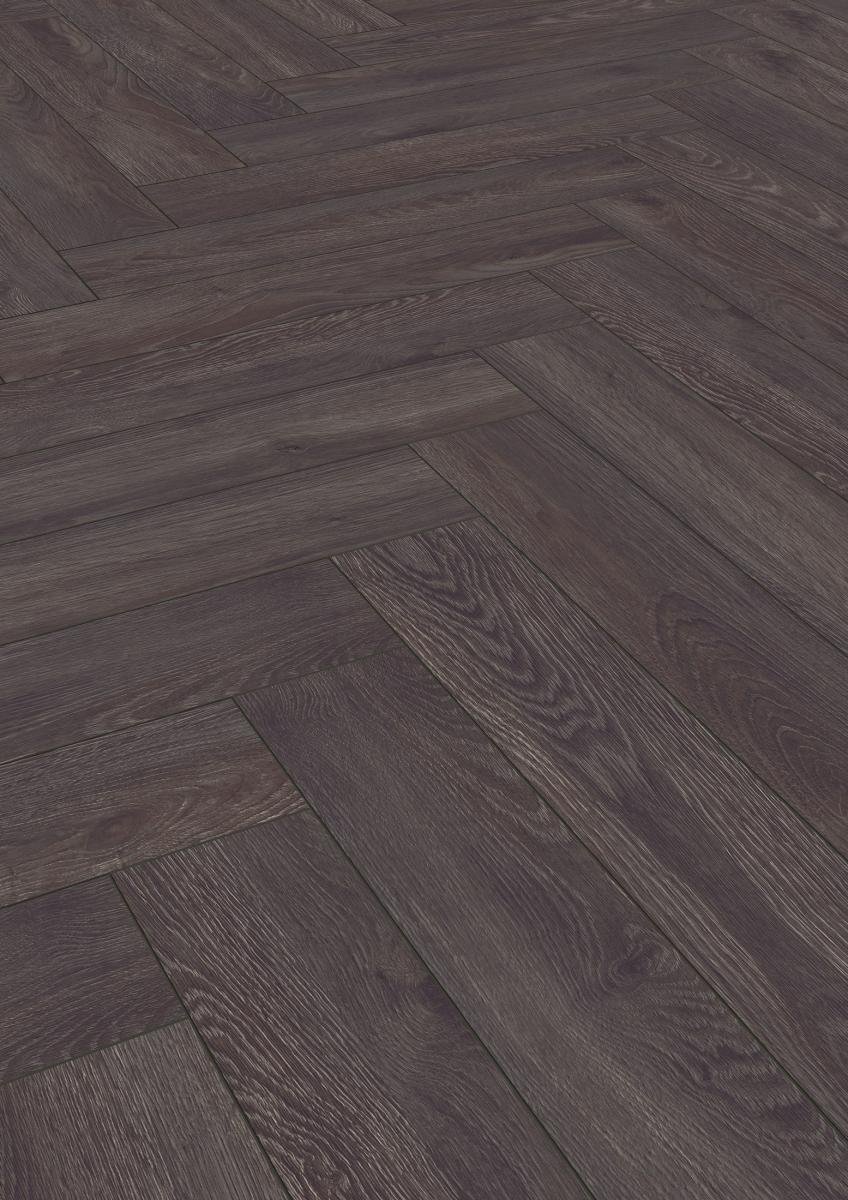
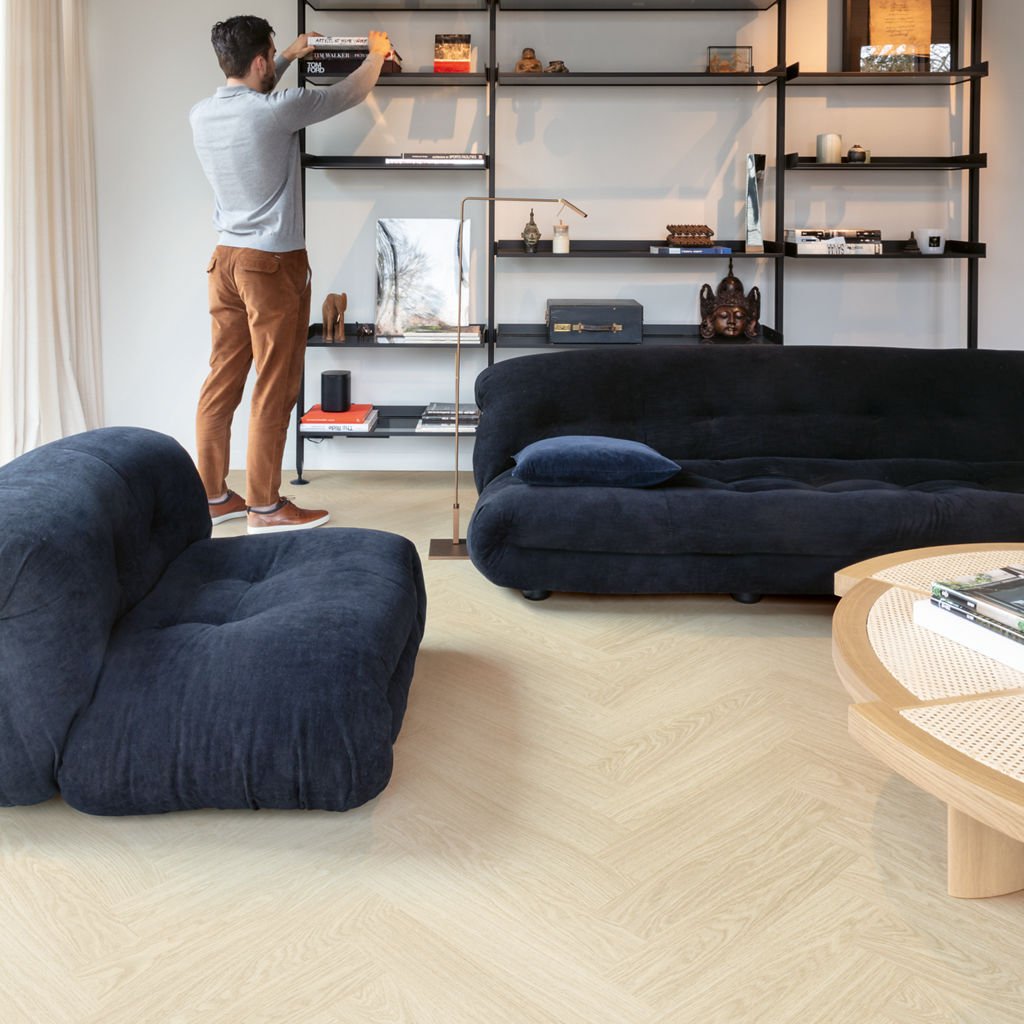
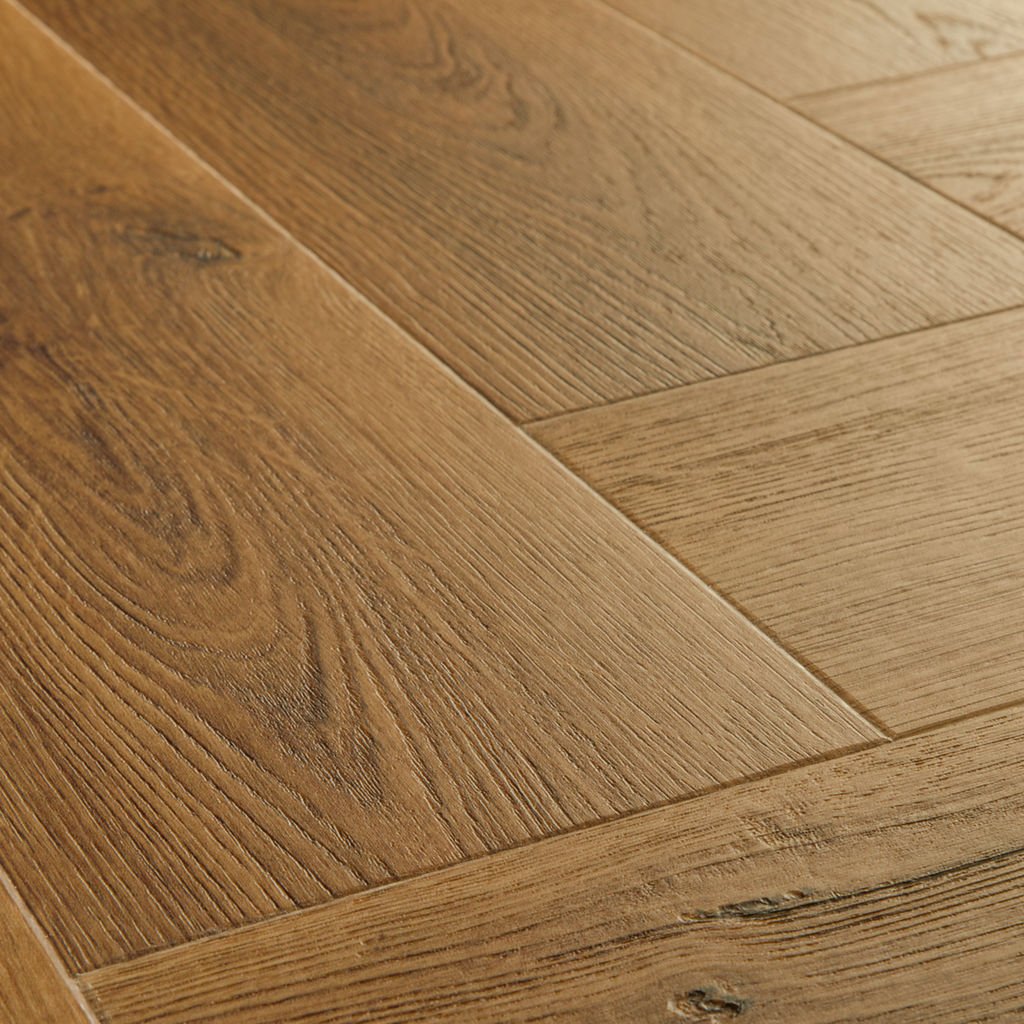
Herringbone is a laying pattern rather than a separate material, and it is available in both engineered and solid wood. The pattern draws the eye along a room, which is why it works so well in Dublin hallways and formal reception rooms. It takes longer to fit than straight planks and needs a very flat, well prepared subfloor, so it is worth deciding on the pattern before you shortlist a board.
The Part Nobody Checks First
Matching a wood floor to your type of Dublin home
Your subfloor and your heating narrow the choice far more than your taste does. Dublin's housing stock falls into four broad types, and each one points to a different answer.
What Affects The Cost
What drives the cost of a wood floor in Dublin?
Two things set the figure: the board and the fitting. Most quotes differ because of the second one, not the first. These are the levers that move it.
| Factor | What it changes | Why it matters in a Dublin home |
|---|---|---|
| Wear layer | Depth of real wood on top | Sets how many times the floor can be sanded, and so how long it lasts |
| Species and grade | Look and character | Oak is the flexible all-rounder; prime reads clean, rustic reads characterful |
| Finish | Sheen and upkeep | Lacquered is lower maintenance; oiled is natural and spot-repairable |
| Plank format | Size and pattern | Wide planks and herringbone cost and fit differently to standard boards |
| Subfloor condition | Preparation required | Damp proofing, levelling or joist repair can change the labour significantly |
| Fitting method | Floated, glued or nailed | Dictated by the subfloor, underfloor heating and any apartment acoustic rules |
Why we do not publish a price per square metre. Two rooms of identical size can differ by a wide margin once the subfloor is assessed, and a figure quoted without seeing the floor is a figure that changes later. The only reliable number comes from a measured quote based on your actual rooms, subfloor and pattern. Ours is free and carries no obligation.
Quick Answers
The questions Dublin homeowners ask us most
Short, direct answers to the things that come up on almost every showroom visit.
Making The Call
Four questions that decide your wood floor
Work through these in order and the shortlist writes itself.

"Half the job is asking what is under your existing floor. Get that wrong and the nicest board in the room will still fail."
See It Before You Choose
Why a wood floor is worth seeing in person
Grade, finish and plank width change how a floor reads at room scale, and none of it translates properly through a screen. A board that looks perfect on a phone can feel completely different across an open-plan living space in Irish daylight. Royal Flooring Company has been supplying and fitting European floors since 2001, and our showroom in Dunboyne is a short run from north and west Dublin.
Frequently Asked
Wood flooring in Dublin: full FAQ
What is the best wood flooring for Dublin homes?
Engineered oak is the best wood flooring for most Dublin homes. Its cross-layered core stays stable through Ireland's damp, changeable weather, it can be laid over concrete subfloors and underfloor heating, and its real oak surface can be sanded and refinished. Solid wood remains an excellent choice in period properties with suspended timber floors and no underfloor heating.
Is engineered or solid wood flooring better for a Dublin home?
Both are genuine wood floors, so the decision comes down to the building rather than the look. Engineered wood is better where there is a concrete subfloor, underfloor heating, or an open-plan space with large glazed areas, because its layered core resists movement. Solid wood is better suited to older, well-ventilated homes with suspended timber floors and no underfloor heating.
Can wood flooring be laid over underfloor heating?
Engineered wood can be laid over underfloor heating, and solid wood generally cannot. Engineered boards are built to stay dimensionally stable as the floor warms and cools, which is why they are the standard real-wood choice in new Irish builds. Always confirm the specific board is rated for underfloor heating and follow the manufacturer's commissioning and surface temperature guidance.
Can you lay a wood floor over a concrete subfloor?
Yes, and engineered wood is the usual choice for concrete. A concrete or screed subfloor must be flat, sound and dry before any wood floor goes down, so a moisture reading and, where needed, a damp proof membrane and levelling compound come first. Skipping subfloor preparation is the single most common cause of a wood floor failing early.
Is wood flooring suitable for a Dublin apartment?
Wood flooring is suitable for most Dublin apartments, but the installation is usually restricted. Many management companies and leases require hard floors to be floated over an acoustic underlay rather than glued or nailed, in line with the sound insulation requirements in the Irish Building Regulations. Check your lease and house rules before choosing a board or a fitting method.
How much does wood flooring cost in Dublin?
The cost of a wood floor in Dublin is set by the board and the fitting together, not by the board alone. On the board, the wear layer thickness, the species and grade, the finish and the plank format move the price most. On the fitting, the subfloor condition, the amount of preparation needed, the room shape and any pattern such as herringbone change the labour. A measured quote based on your actual rooms and subfloor is the only reliable figure.
What is the difference between hardwood, timber and wood flooring?
Hardwood flooring, timber flooring and wood flooring are used interchangeably in Ireland and all describe a floor with a genuine wood surface. Hardwood refers to the type of tree the timber comes from, such as oak, ash or walnut. The distinction that actually matters when you are buying is between real wood floors, which include engineered and solid boards, and wood-effect floors such as laminate and luxury vinyl, which print a wood image onto a man-made core.
How long does a wood floor last, and can it be sanded?
A well fitted and well maintained wood floor can last for decades. Solid wood can be sanded and refinished many times because it is timber all the way through. Engineered wood can be sanded a number of times depending on the thickness of its real wood wear layer, so a thicker wear layer buys a longer refurbished life. This is why the wear layer is the first specification to check when comparing engineered boards.
Royal Flooring Company · Serving Dublin, Meath and Ireland since 2001
Ready to choose your wood floor?
Tell us your house type, your heating and what is under the existing floor, and we will narrow it down for you. Compare wear layers, grades and finishes side by side in the showroom, take samples home, and get an honest measured quote with no obligation.